
Build a private-label bedding range
Define the product, fabric, size, colour, branding and pack first. Order at least 100 sets for each color and size combination; quantities cannot be pooled across variants.
Sourcing guides
Source bedding from China by comparing the same finished specification, not supplier photographs or an isolated thread-count claim. Define the range, establish who is responsible for production, approve a representative sample and agree the commercial and inspection terms before placing a bulk order. Keep the approved version attached to the purchase order so that a reorder can be checked against the same reference.
Read guide SourcingUse Nantong and Dieshiqiao as a place to compare bedding supply options, not as proof that every seller owns a factory or can meet your specification. The useful buying task is to connect a showroom sample to a named contracting party, an identified production route and a repeatable finished product. Build that evidence before deciding which supplier should receive the order.
Read guide LogisticsPlan a bedding import from the required arrival date backwards, with separate decisions for delivery terms, packing, documents and payment. Compare quotations at the same named place and with the same included charges. A low product price is not a landed-cost calculation, and a freight booking is not a guarantee that the goods are ready, cleared or accepted.
Read guide FabricChoose bedding fabric by the finished construction and intended use: fiber, yarn, weave, density, fabric weight and finish work together. Cotton is a fiber, sateen is a weave and brushing is a finishing process; those names are not competing material categories. Compare samples made to a recorded specification, then confirm performance against the washing and use conditions in your buying brief.
Read guideBuyer paths
Whether you are launching a private label, buying hotel linen or qualifying a China supply route, start with the requirements that make a quotation comparable: market, specification, customisation and target quantity.
Define the product, fabric, size, colour, branding and pack first. Order at least 100 sets for each color and size combination; quantities cannot be pooled across variants.
Give the room or property use case, size system, fabric preference, pack and replenishment need. This makes a hotel-linen quote easier to compare and approve.
Verify the contracting entity, production route, sample, applicable testing and current QC evidence before committing to a bulk order.
Use the guide library by procurement task: choose material, write a specification, compare an OEM or ODM route, plan logistics, or qualify a hotel-linen program. Each guide should end in a concrete brief, table or question set linked to a real product or commercial page.
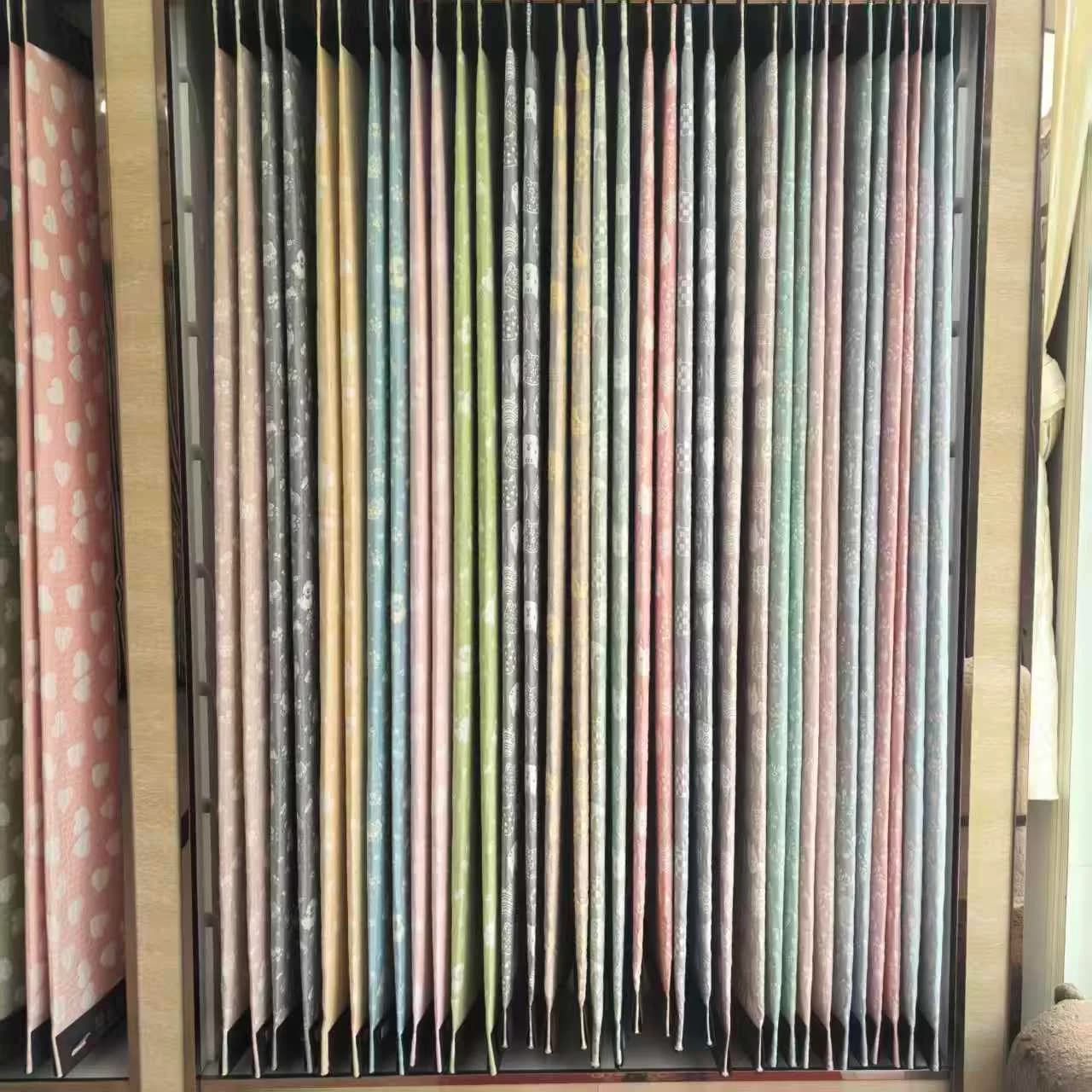
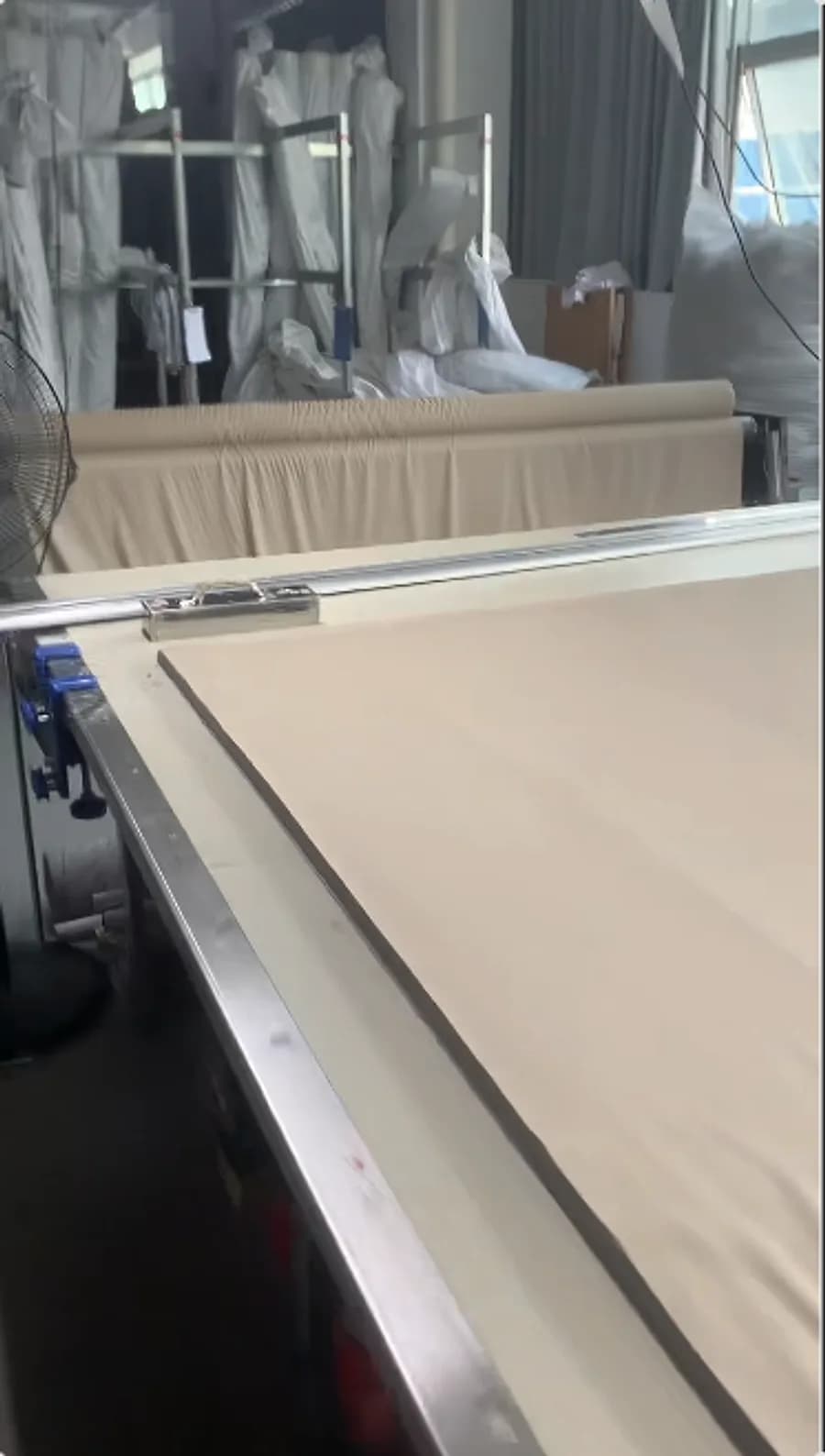
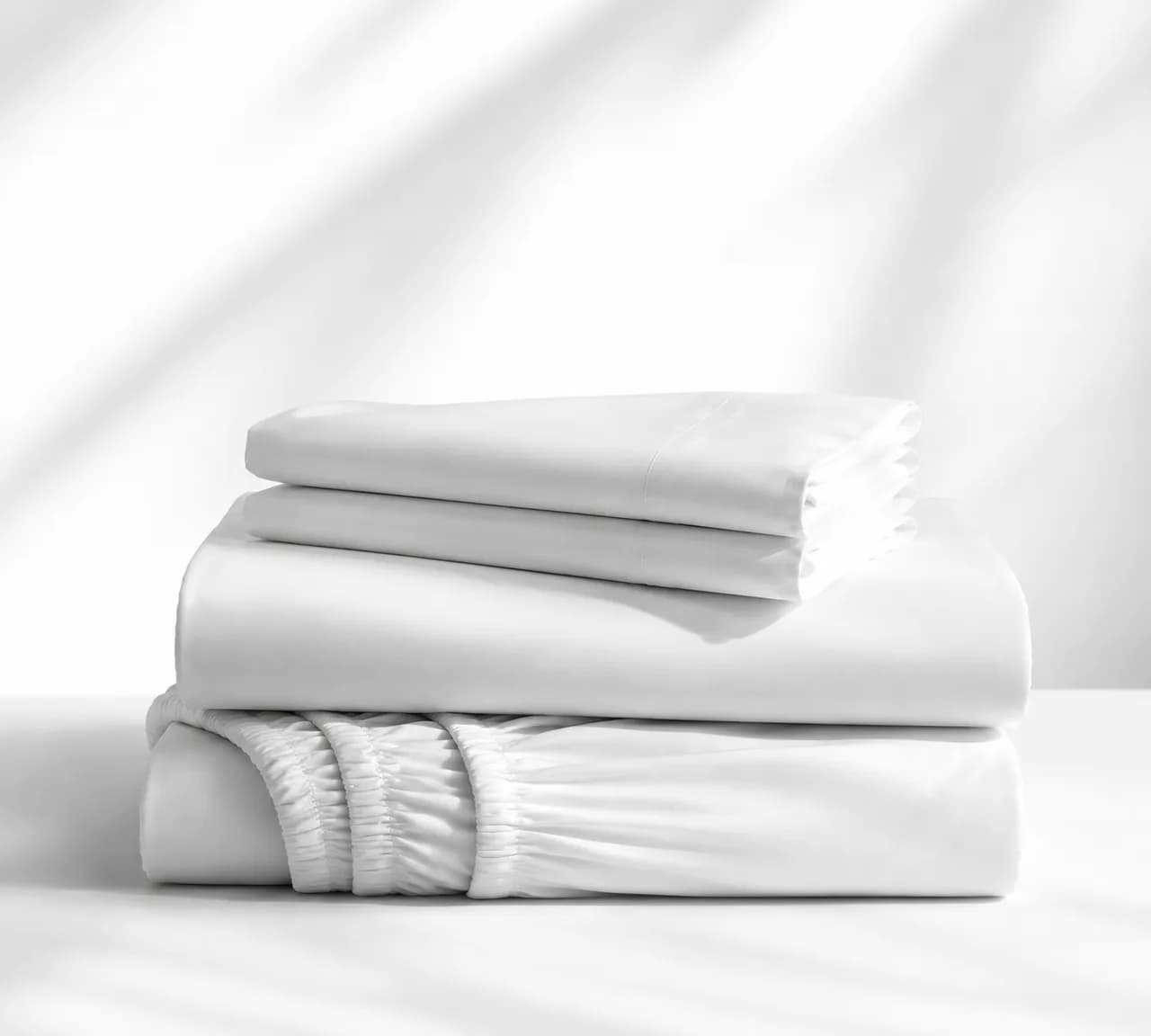
Material guides help separate fiber, yarn, weave, density, weight and finish. Sourcing guides help structure supplier selection, sampling and quotation. Logistics guides clarify commercial and document handoffs. Hotel and private-label guides connect those technical fields to a room, retail or e-commerce program. Starting from the buyer task prevents unrelated keywords from turning the library into a glossary.
After reading, copy the relevant fields into your own RFQ and follow the internal link to the closest real product or commercial service. If a guide describes a related option rather than an exact product match, treat it as a comparison route and confirm the final construction through specification and sample.
Product claims come from the published catalogue or owner-confirmed commercial pages. Regulatory, fibre and labelling statements use named external sources. A date is changed only after a substantive review, and a recent news item is included only when it changes a buyer decision. The result should be a usable procurement tool, not a page padded with trend language.
Reviewed by the BeddingTextilePro Editorial Team using the published product catalogue, buyer workflow and owner-verified company information.