In short
For wholesale ranges, cotton is the dependable, familiar all-season staple that carries core volume, while Tencel, a Lyocell fiber, is the cooler, silkier, more moisture-wicking and eco-leaning premium upgrade. Both are excellent bedding fibers, and the right split depends on your market. Stock cotton as your core line and Tencel as the premium tier.

Cotton is the dependable staple; Tencel is the cooler, eco premium upgrade. Here's how they compare for a wholesale range.
Tencel and cotton are both excellent bedding fibers — the right choice depends on your market. The quick answer for wholesale buyers: cotton is the dependable, familiar all-season staple that carries your core volume, while Tencel (a Lyocell fiber) is the cooler, silkier, more moisture-wicking and eco-leaning upgrade that earns a premium price. Most successful ranges stock both. Here's how they compare.
Tencel vs cotton: the quick answer
Cotton = classic, durable, breathable and instantly familiar to every buyer. Tencel = a smoother, cooler hand with higher moisture management and a sustainable, plant-based story. Cotton wins on price and recognition; Tencel wins on cool-touch, moisture and eco-positioning.
Cotton: the dependable staple
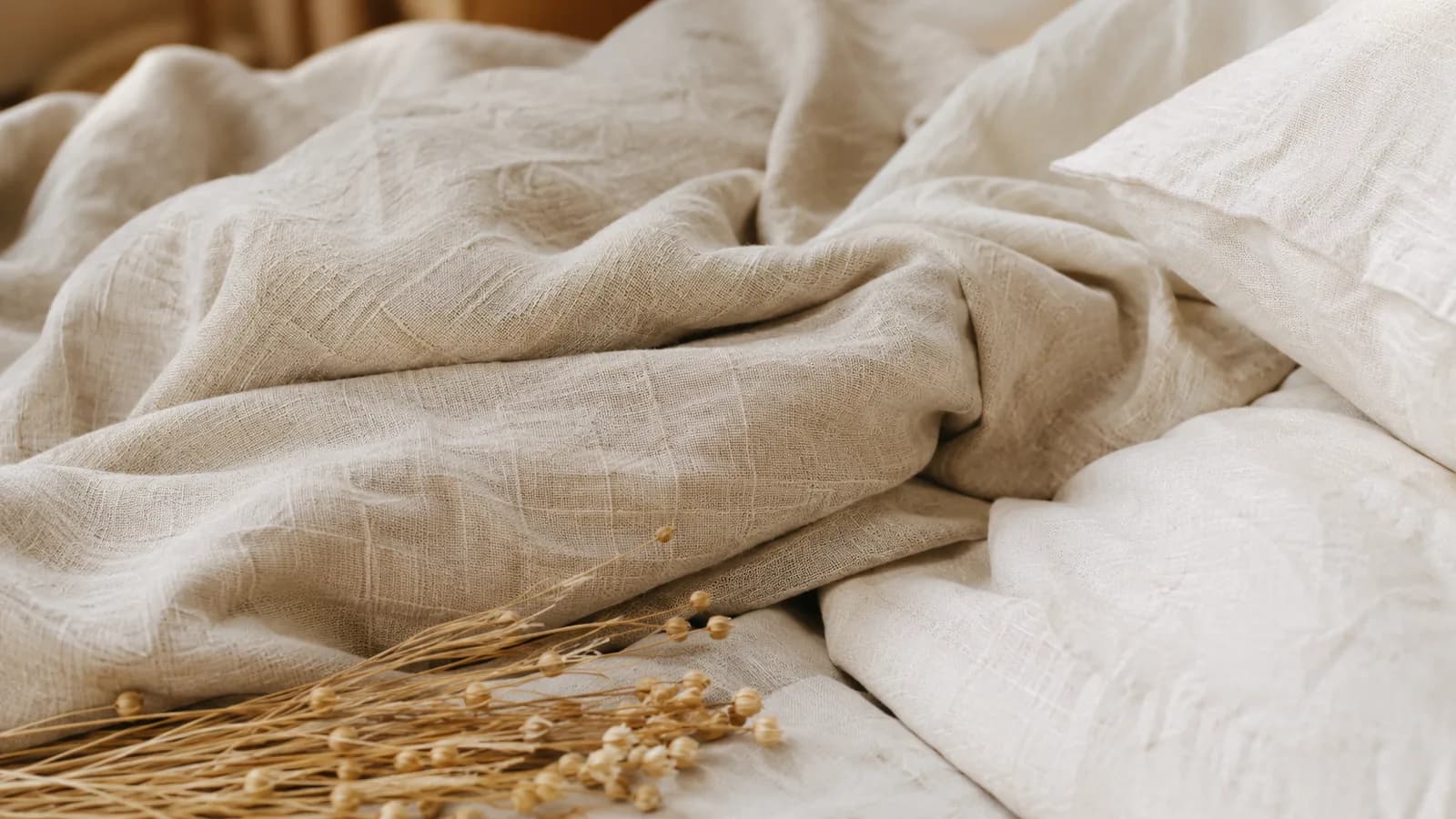
Cotton is the backbone of any bedding range. A high-density 100% cotton (for example a 40s / 200TC, 13372 twill) is tight, opaque, durable and soft, resisting pilling through years of laundering. Buyers know and trust it, it's easy-care, and it's the most cost-effective core SKU — ideal for volume programs across all seasons.
Tencel (Lyocell): the premium, eco upgrade
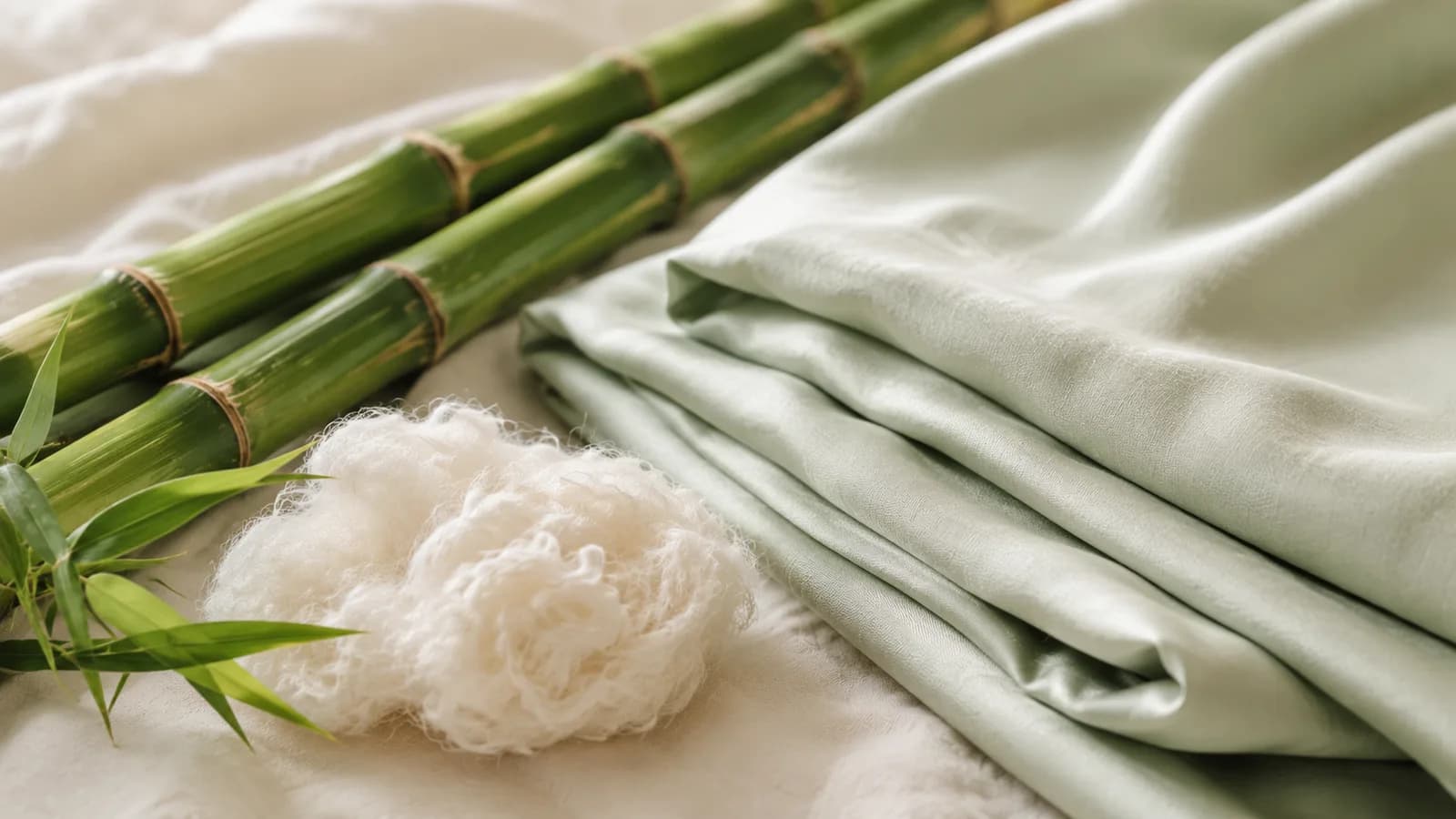
Tencel is a Lyocell fiber spun from wood pulp in a closed-loop process, so it carries a genuine sustainability story. It feels cooler and silkier than cotton, wicks moisture more aggressively, and drapes beautifully — which is why it commands a higher retail price and suits quiet-luxury and eco-positioned brands.
Tencel vs cotton: how they compare
- Cool-touch: Tencel feels cooler; cotton is neutral and breathable.
- Moisture-wicking: Tencel leads; cotton absorbs but dries slower.
- Softness/drape: Tencel is silkier with more fluid drape; cotton is soft with more body.
- Durability: cotton (especially high-density) is very hard-wearing; Tencel is durable but needs gentler care.
- Eco story: Tencel's closed-loop, wood-pulp origin is a strong sustainability claim; cotton is natural but resource-intensive.
- Price: cotton is more cost-effective; Tencel sells at a premium.
- Care: cotton is easy-care; Tencel prefers a gentler wash.
| Tencel (Lyocell) | Cotton | |
|---|---|---|
| Cool-touch | Cooler hand | Neutral, breathable |
| Moisture-wicking | Leads, wicks aggressively | Absorbs, dries slower |
| Softness / drape | Silkier, fluid drape | Soft with more body |
| Durability | Durable, gentler care | Very hard-wearing |
| Eco story | Closed-loop wood pulp | Natural, resource-intensive |
| Price | Premium | More cost-effective |
| Best for | Premium / eco upsell | Core volume staple |
Which should you stock?
Stock both, at different price tiers. Use high-density cotton as your core, high-volume staple, and add Tencel as the premium, eco upsell for buyers who want a cooler hand and a sustainability angle. Many brands also run a Tencel summer cooling quilt alongside an all-season Tencel set.
Sourcing both factory-direct
Sourcing from one source factory lets you build a coherent range across both fibers at a 100-set MOQ, with OEM/ODM customization, 38+ colorways and OEKO-TEX support — so your cotton and Tencel lines share consistent sizing, branding and quality.
Don't pick cotton or Tencel — tier them. Cotton carries the volume; Tencel earns the premium.
BeddingTextilePro is a Nantong B2B supplier of bedding sets, summer quilts and hotel linen on source-factory direct supply — locked, dedicated production lines at large-scale Nantong mills, goods shipping direct from the mill — with a 100-set MOQ, full OEM/ODM customization and OEKO-TEX support. Request a wholesale quotation and our export team will reply within one business day.
Frequently asked questions
- Should I stock Tencel or cotton for wholesale?
- Stock both, at different price tiers. High-density cotton carries your core volume as the dependable, familiar all-season staple, while Tencel (a Lyocell fiber) is the cooler, silkier, more moisture-wicking and eco-leaning upgrade that earns a premium.
- How does Tencel compare to cotton on cooling and moisture?
- Tencel feels cooler to the touch and wicks moisture more aggressively, while cotton is neutral, breathable and absorbs but dries slower. Tencel's silkier, more fluid drape makes it the premium choice; cotton offers more body and durability.
- Is Tencel as durable and easy-care as cotton?
- High-density cotton is very hard-wearing and easy-care, ideal for volume programs. Tencel is durable too but prefers a gentler wash, so it's positioned as the premium, eco upsell rather than the heavy-duty core SKU.
- Can I source both cotton and Tencel from one factory?
- Yes. Sourcing from one source factory lets you build a coherent range across both fibers at a 100-set MOQ with OEM/ODM customization, 38+ colorways and OEKO-TEX support, so your cotton and Tencel lines share consistent sizing, branding and quality.
Sources & references
Featured products
Explore our services
Sourcing bedding for your market?
Factory-direct quotes, 100-set MOQ, full OEM/ODM customization. We reply within one business day.