TL:DR
Flannel and brushed (peach-skin) cotton both gain warmth from mechanical napping that raises fine fibers to trap insulating air. Flannel uses heavier, loosely spun yarn napped to a dense fuzzy hand; brushed cotton is a lighter base given a shorter nap. Wholesale buyers should spec brushing, GSM for warmth, and pilling resistance for durable winter ranges.
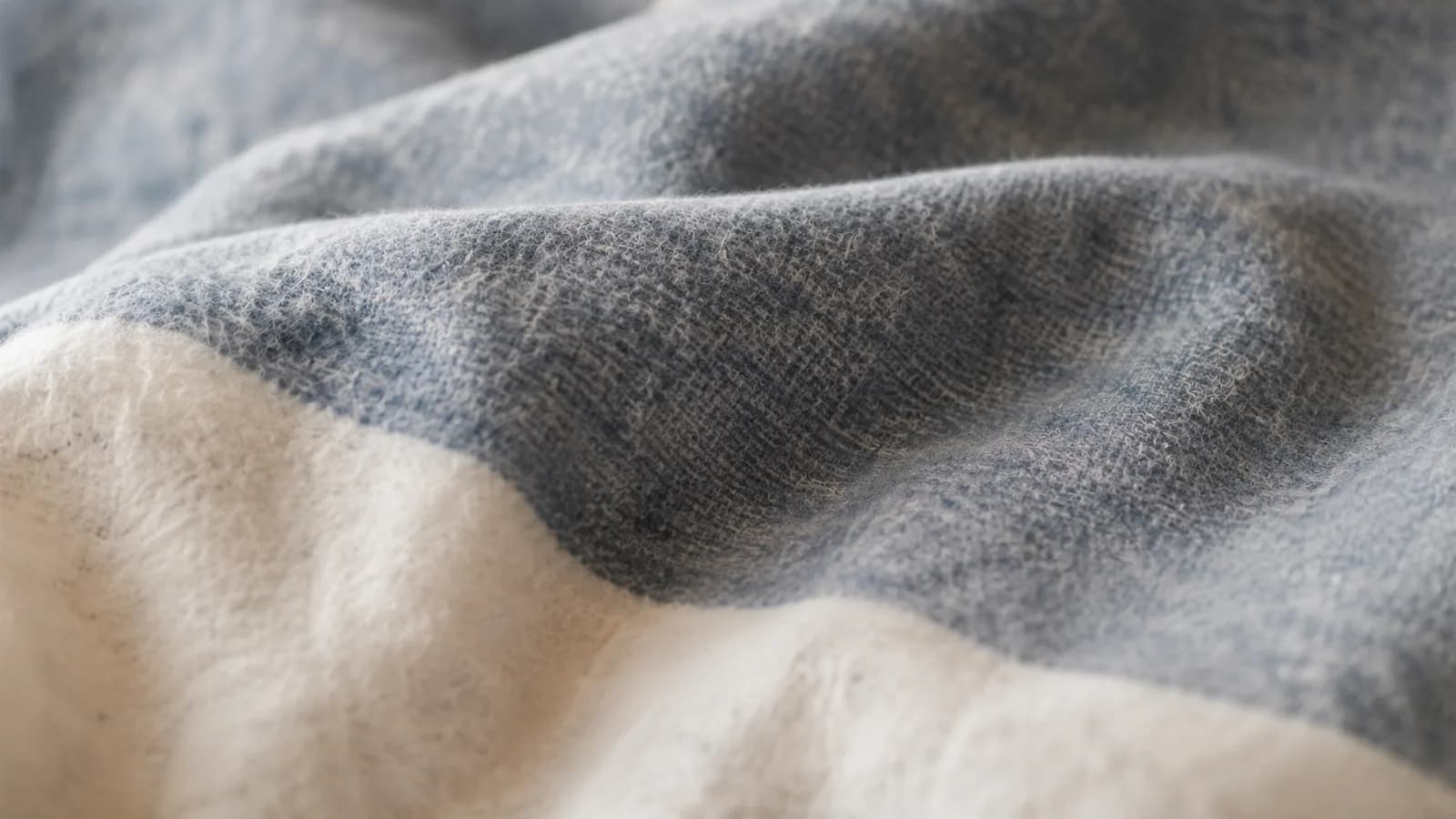
Flannel and brushed cotton both get their warmth from napping. This guide shows buyers how to spec brushing, GSM, and pilling resistance for a winter range that sells and holds up wash after wash.
Flannel and brushed cotton are the same idea done two ways: a woven cotton fabric is mechanically napped so fine fibers stand up, trapping insulating air. Flannel is woven from loosely spun, often heavier yarn and napped for a dense, fuzzy hand; brushed (peach-skin) cotton is typically a lighter woven base given a short, close nap for a smooth suede touch. For winter wholesale, spec the brushing, GSM, and pilling resistance deliberately.
What flannel and brushed cotton actually are
Flannel is a soft woven fabric of varying fineness that was originally wool and is now most often cotton. It is made from loosely spun yarn and then finished by napping: a mechanical process in which fine metal brushes rub the surface to raise short fibers from the yarn and form a nap on one or both sides. That raised nap is what makes the cloth feel soft and, crucially, traps air that acts as insulation.
Brushed cotton, sometimes sold as flannelette or peach-skin, uses the same napping principle on a plain-woven cotton base. In practice, the market splits into two positions: heavier, blanket-like flannel sheets for maximum warmth, and lighter brushed cotton with a fine, velvety nap that reads as premium and year-round. Both are cotton and both are napped — the difference is yarn weight, nap length, and how the surface is finished.
Napping: how the softness and warmth are made
Napping (also called raising or brushing) draws loose fiber ends out of the woven structure without cutting the yarn. The raised fibers form millions of tiny air pockets across the face of the cloth. Because still air is a poor conductor of heat, those pockets are the real source of warmth — not the cotton itself. This is why a brushed sheet feels warmer than a plain percale of identical fiber and thread count.
Single vs double brushing
Flannel and brushed cotton can be napped on one or two sides. Single-brushed fabric is raised on the face only: lighter, faster to produce, and fine for lower price points. Double-brushed (double-napped) fabric is raised on both sides — softer against the skin on either face, warmer, and generally regarded as the higher-quality construction for bedding.
- Single-brushed: napped on one side; lighter, lower cost, one "right" face; good entry-level winter SKUs.
- Double-brushed: napped on both sides; softer and warmer, reversible feel; the premium spec buyers expect on mid-to-high tiers.
- Nap length: a longer, denser nap adds loft and warmth but raises pilling risk; a short, tight nap (peach-skin) is smoother and more durable.
GSM and weight: how to spec warmth
Flannel and brushed bedding are specified by fabric weight in grams per square meter (GSM), not thread count. Heavier GSM means more fiber, a denser nap, and more warmth. As a rough guide: lighter brushed cotton and peach-skin sit around 120-160 GSM, a solid mainstream winter flannel lands near 170-200 GSM, and heavyweight, blanket-like flannel runs above 200 GSM.
- 120-160 GSM: lightweight brushed cotton / peach-skin — soft, breathable, positioned as premium or shoulder-season.
- 170-200 GSM: mainstream winter flannel — the volume warmth tier most retail buyers want.
- 200+ GSM: heavyweight flannel — maximum warmth for cold climates; heavier freight and longer drying.
Always confirm GSM as a measured, contracted spec with a tolerance (for example, ±5%), because "heavy flannel" means nothing without a number. Pair GSM with fiber content (100% cotton vs cotton blend) and thread count (TC) so the finished hand is reproducible order to order.
| Flannel | Brushed cotton (peach-skin) | |
|---|---|---|
| What it is | Loosely spun woven cotton, densely napped for a fuzzy, blanket-like face | Plain-woven cotton given a short, fine nap for a smooth suede/peach feel |
| Brushing | Napped on one or both sides; longer, lofted nap | Napped short and tight, usually both sides, for a velvety surface |
| Weight / GSM | Typically 170-200+ GSM; heavier constructions common | Typically lighter, ~120-160 GSM |
| Warmth | High — dense nap traps more insulating air | Moderate — warm but breathable, more shoulder-season |
| Feel | Soft, cozy, textured, substantial | Smooth, silky-soft, refined peach-skin hand |
| Pilling | More prone if nap is long/loose or yarn is short-staple | Lower with a short, tight nap and combed yarn |
| Best use | Deep-winter sheets and duvet covers for cold climates | Premium and year-round SKUs; soft-touch positioning |
Pilling control: the quality that gets returned
Napped fabrics are inherently more prone to pilling because loose fiber ends sit on the surface and can tangle into balls under friction. It is the single most common winter-bedding complaint, so control it at the sourcing stage rather than in customer reviews.
- 1.Specify combed, longer-staple cotton yarn — long fibers shed fewer loose ends than short-staple carded yarn.
- 2.Ask for a controlled, singed and pre-shrunk finish; singeing burns off surface fuzz that would otherwise pill.
- 3.Contract a pilling spec: request Martindale pilling results (ISO 12945-2 or ASTM D4970) rated on the 1-5 scale, and set a minimum grade (e.g. grade 3-4 or better).
- 4.Balance nap length against durability — the loftiest, warmest nap is also the easiest to pill, so match the spec to the price tier.
- 5.Confirm care guidance for the finished range (wash inside-out, low heat) to protect the nap in use.
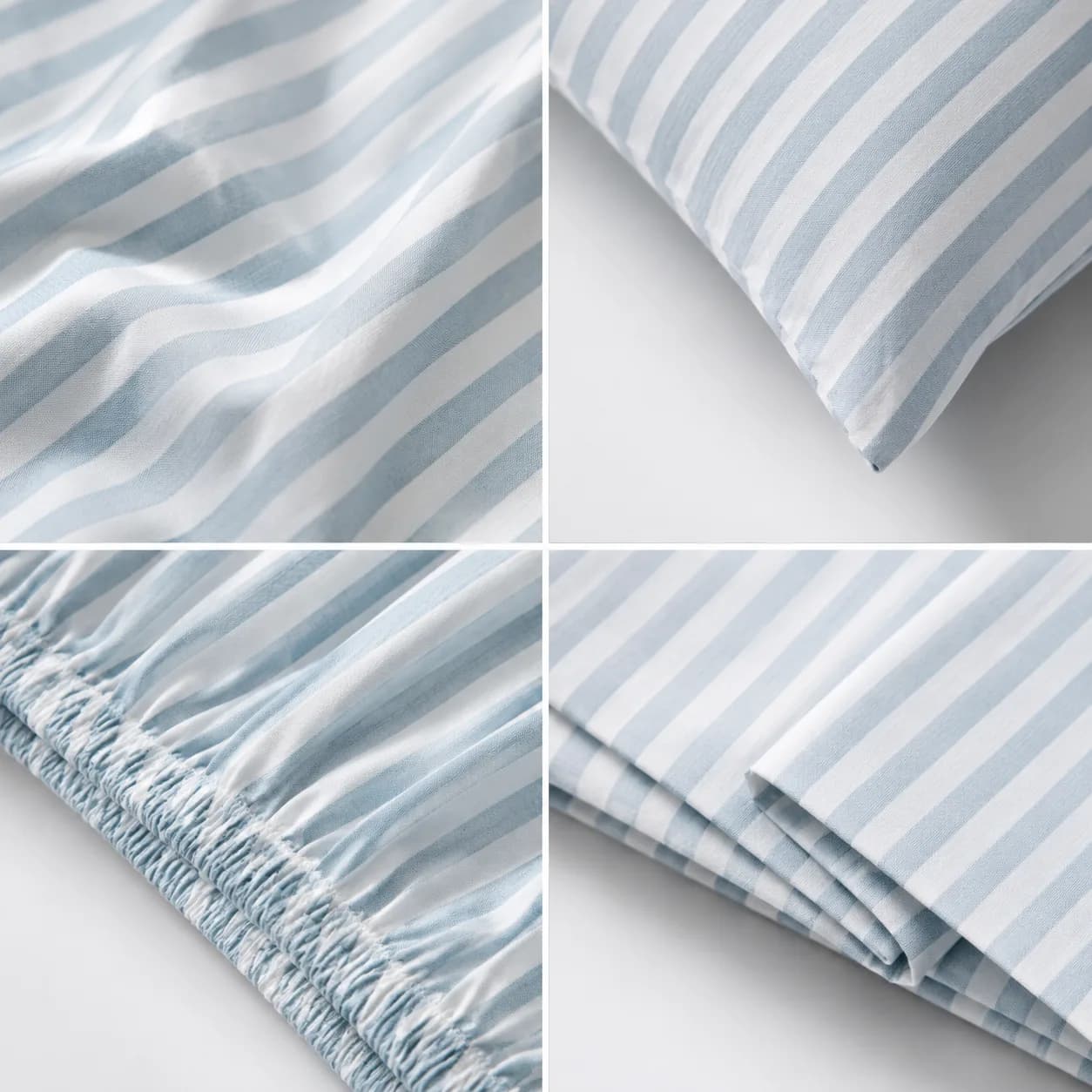
How to spec quality winter bedding for a purchase order
A tight spec removes ambiguity between quote and delivery. For each SKU, lock the following into the PO and the pre-production sample approval so every batch is reproducible.
- Fiber content: 100% cotton vs blend, and staple grade (combed/long-staple where pilling matters).
- Weight: measured GSM with a tolerance, plus brushing spec (single vs double, nap length).
- Construction: thread count (TC) and weave; confirm shrinkage after pre-shrink finish.
- Pilling: contracted Martindale grade (ISO 12945-2 / ASTM D4970), minimum on the 1-5 scale.
- Colorfastness and safety: wash and rub fastness, plus OEKO-TEX STANDARD 100 certification for tested-for-harmful-substances assurance.
- Sizing and finishing: dimensions after wash, stitch density, and packaging for retail.
Buyers rarely get burned on the fabric they can see in a swatch — they get burned on the spec they forgot to write down. GSM, brushing, and a pilling grade in the PO are what make winter bedding reorder cleanly.
Seasonal buying and retail positioning
Winter bedding is a seasonal spike, so timing and tiering matter as much as the fabric. Production and shipping lead times mean flannel and brushed ranges should be sourced well ahead of the cold season, with samples approved months before the retail push.
- Plan early: place and approve winter programs ahead of the season to leave room for sampling and freight.
- Tier the range: lightweight brushed/peach-skin as the premium, year-round hero; mid-weight flannel as the volume winter driver; heavyweight flannel for cold-climate markets.
- Merchandise the story: sell the warmth mechanism (napped, air-trapping cotton), the softness (double-brushed), and the safety (OEKO-TEX) — these justify price and reduce returns.
- Offer OEM/ODM: private-label prints, colorways, and packaging let retailers differentiate on the same reliable base cloth.
BeddingTextilePro supplies brushed and flannel winter bedding factory-direct from our locked, dedicated lines at large-scale mills in Nantong, China: 100-set minimum per color and size combination, full OEM/ODM on brushing, GSM, colorways and packaging, and OEKO-TEX certified fabric. Contact us to spec and sample your winter range.
Frequently asked questions
- What is the difference between flannel and brushed cotton bedding?
- Both are woven cotton fabrics that are napped (brushed) to raise soft fibers, but flannel uses loosely spun, heavier yarn for a dense, fuzzy, warm hand, while brushed cotton (peach-skin) uses a lighter base with a short, tight nap for a smooth, suede-like feel. Flannel is typically heavier GSM and warmer; brushed cotton is lighter and more year-round.
- Is single-brushed or double-brushed better for wholesale winter bedding?
- Double-brushed (napped on both sides) is the higher-quality spec: softer against the skin on either face and warmer, which is why it suits mid-to-premium tiers. Single-brushed (one side) is lighter and lower cost and works well for entry-level SKUs. Match the brushing to the price point and warmth you are positioning.
- What GSM should winter flannel bedding be?
- Specify by GSM, not thread count. Lightweight brushed cotton and peach-skin sit around 120-160 GSM, mainstream winter flannel around 170-200 GSM, and heavyweight, blanket-like flannel above 200 GSM. Always contract GSM with a tolerance so warmth is reproducible batch to batch.
- How do you reduce pilling in flannel and brushed cotton bedding?
- Napped fabrics pill more because loose fiber ends sit on the surface. Reduce it by specifying combed, longer-staple yarn, a singed and pre-shrunk finish, and a controlled nap length, then contract a Martindale pilling grade (ISO 12945-2 or ASTM D4970) on the 1-5 scale with a minimum acceptable grade in the PO.
Sources & references
Explore our services
Sourcing bedding for your market?
Factory-direct quotes, 100-set minimum per color and size combination, full OEM/ODM customization. We reply within one business day.