In short
For wholesale buyers, genuine premium cotton bedding is defined by long-staple fiber, weave density and finishing, not by the Egyptian cotton name printed on the label, which is often misused. Spec verifiable fiber length and construction rather than country claims to secure real quality and justify a premium price without overpaying for marketing.
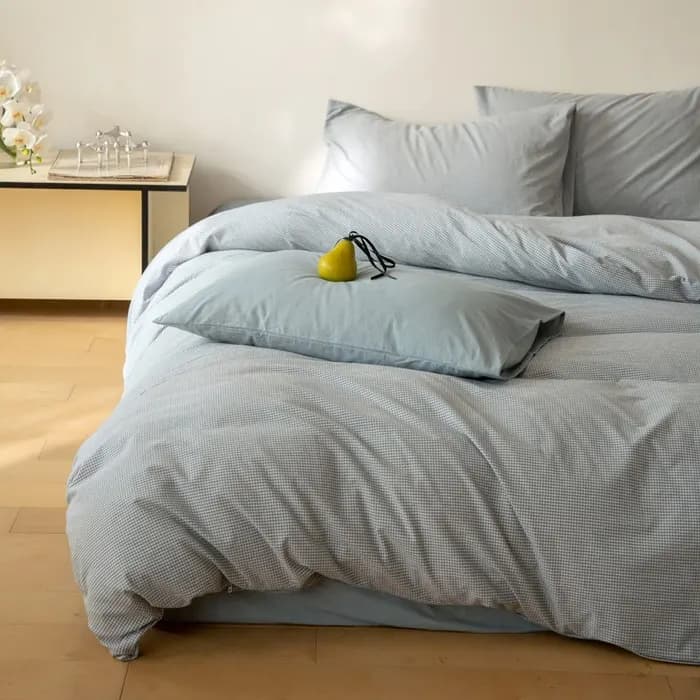
"Egyptian cotton" sells at a premium — but the label is often misused. Here's what actually matters when sourcing premium cotton bedding.
"Egyptian cotton" is one of the most powerful labels in bedding — and one of the most misused. For wholesale buyers the honest answer is: what actually makes cotton premium is long-staple fiber, density and finishing, not the country printed on the label. Here's how to cut through the marketing and spec genuinely good cotton bedding.
What "Egyptian cotton" actually means
Egyptian cotton refers to long-staple and extra-long-staple cotton traditionally grown in Egypt. The benefit is the long fibers: they spin into finer, stronger, smoother yarn that resists pilling and lasts longer. But the term isn't tightly policed globally, so plenty of products labelled "Egyptian cotton" contain little or none — what you're really paying for is the long-staple quality, which is also grown elsewhere.
Long-staple cotton is the real differentiator
- Long-staple / combed cotton: finer, stronger yarn, softer hand, less pilling.
- Fabric density (e.g. 13372 high-density): a tight weave that's durable and opaque.
- Reactive dyeing: strong color fastness through repeated laundering.
- Honest construction beats an inflated thread-count number every time.
| "Egyptian cotton" label | Long-staple / spec'd cotton | |
|---|---|---|
| What you pay for | Country name on label | Real long-staple fiber quality |
| Fiber | Often little/no Egyptian cotton | Long-staple / combed, e.g. 40s–60s |
| Regulation | Term not tightly policed | Verifiable staple length & yarn count |
| Yarn quality | Implied, not guaranteed | Finer, stronger, less pilling |
| Density / weave | Not specified | 13372 high-density; sateen or twill |
| Colorfastness | Unstated | Reactive dyeing, fast through laundering |
| Value | Pays middleman for a label | Honest premium at workable wholesale cost |
What to spec for a premium cotton line
Rather than chasing the "Egyptian" label, ask your supplier for the real parameters: staple length / yarn count (e.g. 40s or 60s combed cotton), fabric density, weave (sateen for luxe, percale/twill for crisp durability) and dyeing method. A well-made 60s long-staple sateen or 40s/13372 twill delivers the premium feel buyers want, transparently and at a workable wholesale cost.
Don't buy a country name — buy long-staple fiber, real density and an honest weave. That's what "premium cotton" actually is.
BeddingTextilePro is a Nantong B2B supplier of bedding sets, summer quilts and hotel linen on source-factory direct supply — locked, dedicated production lines at large-scale Nantong mills, goods shipping direct from the mill — with a 100-set MOQ, full OEM/ODM customization and OEKO-TEX support. Request a wholesale quotation and our export team will reply within one business day.
Frequently asked questions
- Is Egyptian cotton actually worth the premium for wholesale?
- What makes cotton premium is long-staple fiber, density and finishing — not the country printed on the label. The 'Egyptian cotton' term isn't tightly policed globally, so many products carry the label with little or no genuine Egyptian cotton; you're really paying for long-staple quality, which is grown in many regions.
- Why does long-staple cotton matter more than the country name?
- Long-staple and combed fibers spin into finer, stronger, smoother yarn that resists pilling and lasts longer. That fiber quality, plus a tight high-density weave and reactive dyeing for colorfastness, beats an inflated thread-count number every time.
- What should I spec for a genuinely premium cotton line?
- Ask for the real parameters: staple length and yarn count (e.g. 40s or 60s combed cotton), fabric density, weave (sateen for luxe, percale/twill for crisp durability) and dyeing method. A well-made 60s long-staple sateen or 40s/13372 twill delivers the premium feel transparently and at a workable wholesale cost.
- Can I order premium long-staple cotton bedding factory-direct?
- Yes — we supply long-staple sateen and high-density 13372 cotton sets factory-direct from Nantong from a 100-set MOQ, with OEKO-TEX documentation. Sourcing direct keeps premium cotton at honest wholesale pricing instead of paying a middleman markup for a label.
Sources & references
Featured products
Shop by category
Explore our services
Sourcing bedding for your market?
Factory-direct quotes, 100-set MOQ, full OEM/ODM customization. We reply within one business day.