TL:DR
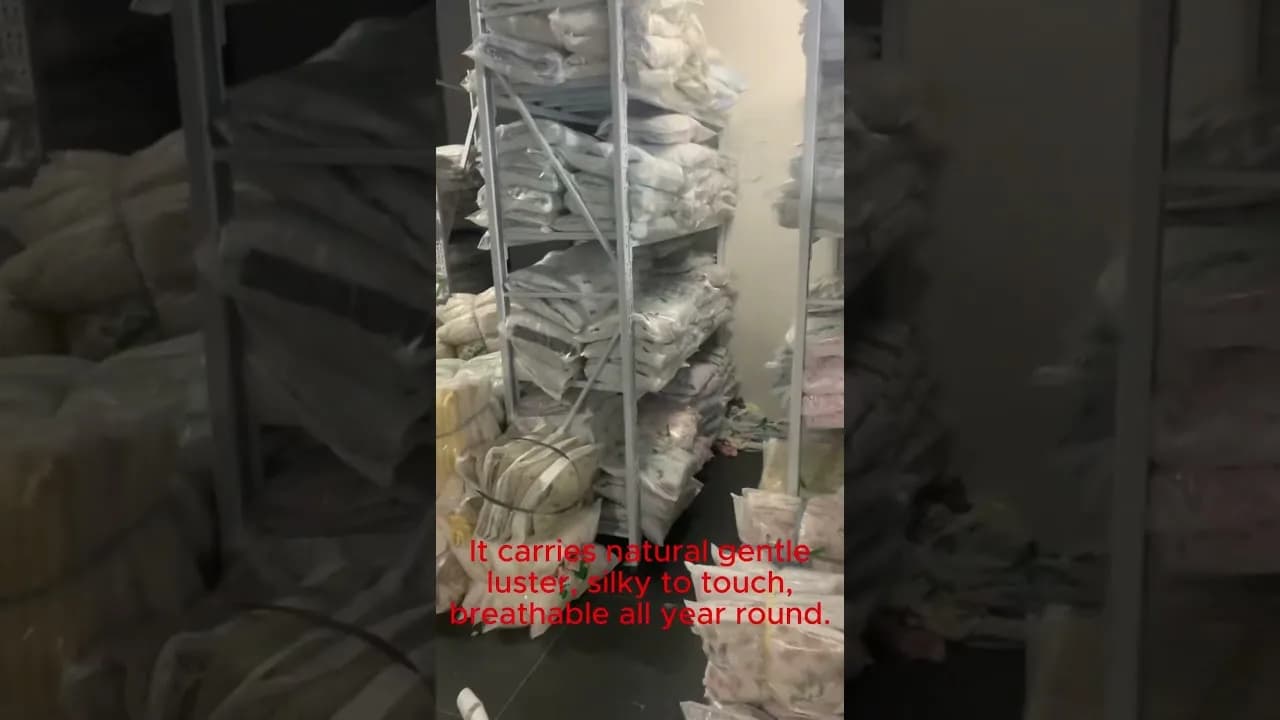
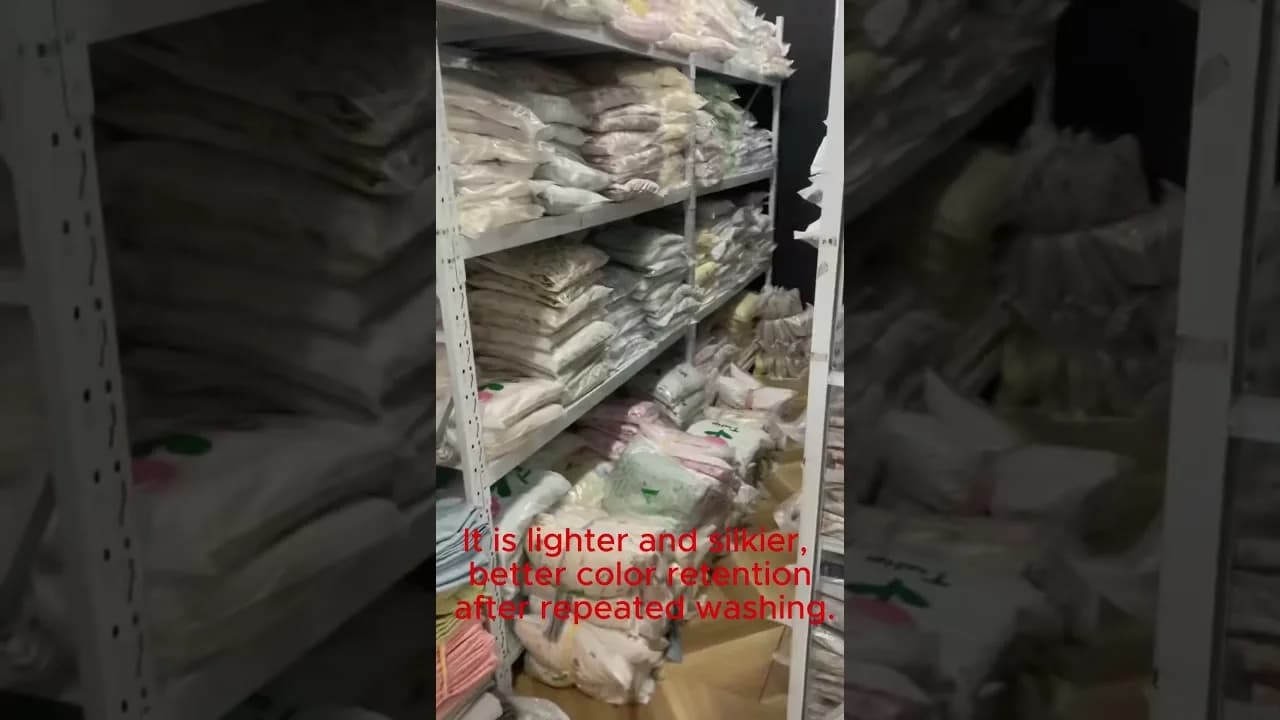
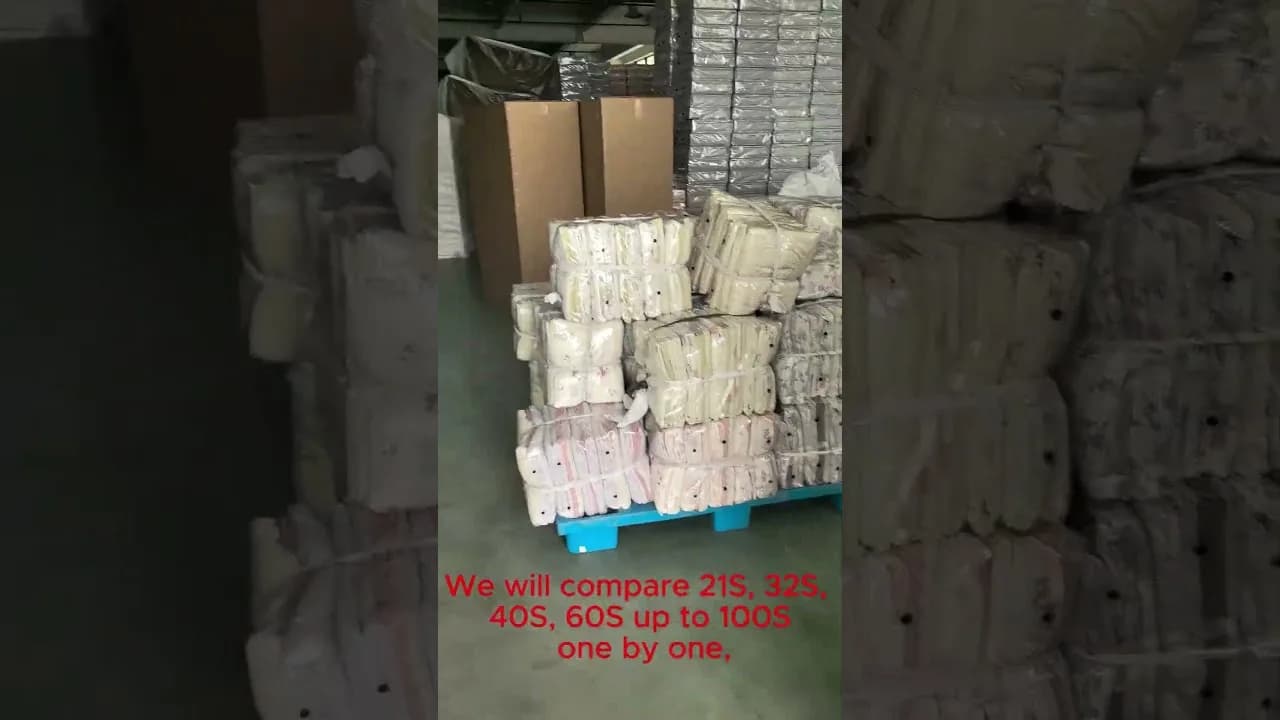
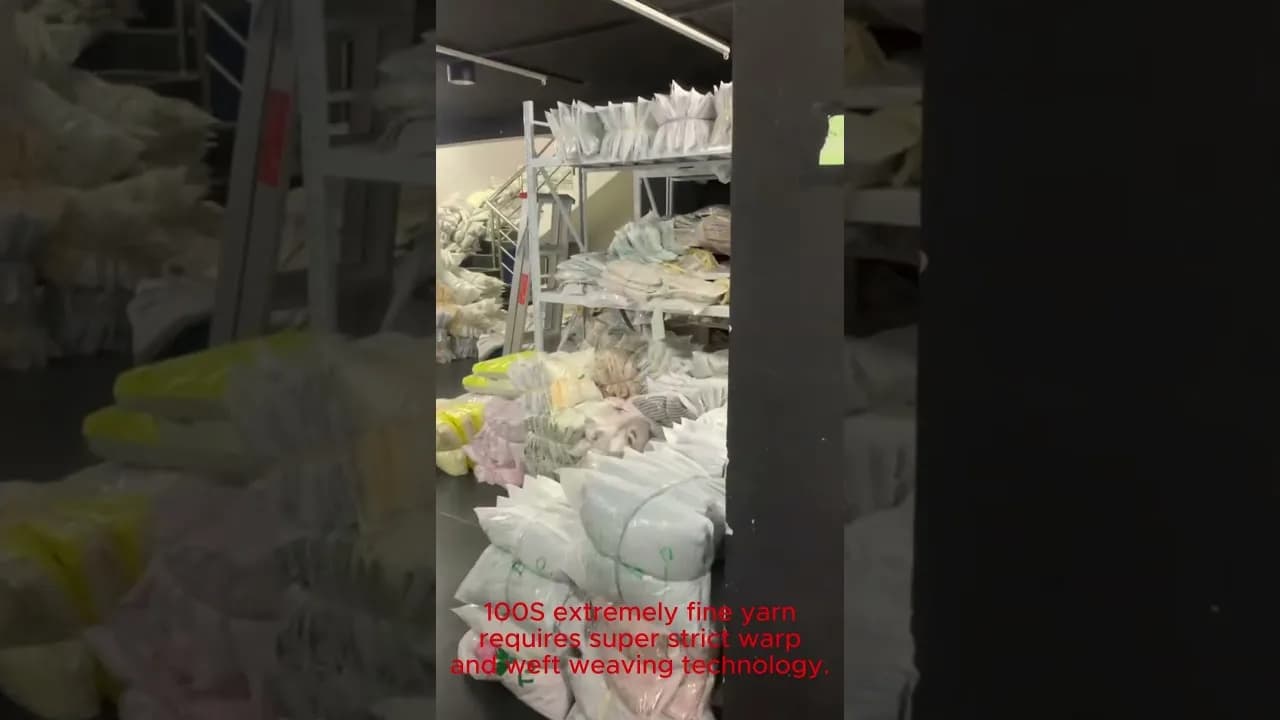
- Video focus: 100S is an ultra-fine yarn count in the English cotton-count system. Fineness can enable particular constructions, but the finished result still depends on fibre, yarn construction, weave, density, finished GSM and finish. Use a complete specification and physical sample to decide whether it fits a premium bedding brief.
- Buyer value: Assess whether a complete 100S construction supports the target range
- Next step: Request fabric specifications.
This video explains where 100S sits on the yarn-count scale. It confirms an ultra-fine yarn, but it does not by itself prove a silky hand, light weight, high thread count, durability or luxury quality. Buyers should compare the full construction and an approved finished sample before positioning a 100S programme.
How to use this fabric guide
Treat the named yarn count or construction as one field in the RFQ. Compare fibre, yarn construction, weave, warp-and-weft density, finished GSM, finish and a physical sample. A finished-fabric claim needs evidence from that finished construction; the yarn number alone is not a performance grade.
Compare bedding options for your project
| Bedding option | Category | Material / construction | How to use it |
|---|---|---|---|
| White 300TC Cotton Sateen Bedding Set | Cotton Sateen Sets | 100% combed cotton, woven as a lustrous twill-sateen; supplied at 300TC and customizable to 200/300/400TC. | Similar fabric options |
| 60s Floral Sateen 100% Cotton Four-Piece Bedding Set | Floral Sateen Sets | 100% cotton, 60s sateen jacquard, reactive-printed for high color fastness. | Similar fabric options |
| 60s Sateen Two-Tone & Solid 100% Cotton Bedding Set | Two-Tone Sateen Sets | 100% cotton, 60s sateen, reactive-dyed for high color fastness. | Similar fabric options |
| 100% Cotton 13372 Four-Piece Bedding Set | High-Density Cotton Sets | 100% cotton, reactive-printed for high color fastness. | Similar fabric options |
From video detail to order brief
From question to approved fabric
- 01
Define the use
State the market, application and required buyer outcome.
- 02
Freeze the construction
Record fibre, yarn, weave, density, finished GSM and finish.
- 03
Compare samples
Use matched specifications and the intended care or test route.
- 04
Approve and quote
Retain the approved reference and request pricing against it.
What to include in your enquiry
Assess whether a complete 100S construction supports the target range
White 300TC Cotton Sateen Bedding Set · Yarn Count Explained (40s / 60s / 80s / 100s): What It Means for Bedding Quality · Request fabric specifications
Technical specifications from related products
These values come from the linked product records. They describe related options and do not claim that the video shows the exact SKU unless it is explicitly marked as an exact product.
White 300TC Cotton Sateen Bedding Set
- Material
- 100% Cotton (combed)
- Weave
- Twill-sateen · silky lustrous face
- Thread count
- 300TC standard — 200 / 300 / 400 TC customizable
- Color
- Hotel white (custom colors available)
- Hand
- Silky · smooth · lustrous drape
- Function
- Breathable · durable for commercial laundering
- Season
- All-season
60s Floral Sateen 100% Cotton Four-Piece Bedding Set
- Material
- 100% Cotton
- Yarn Count
- 60s / 300TC
- Weaving
- Sateen jacquard
- Dyeing
- Reactive printing
- Fabric Density
- 173 × 113
- Weight
- 120–140 GSM
- Style
- Minimalist floral
- Function
- Soft · warm · skin-friendly · moisture-wicking · breathable
60s Sateen Two-Tone & Solid 100% Cotton Bedding Set
- Material
- 100% Cotton
- Yarn Count
- 60s / 300TC
- Weaving
- Sateen
- Dyeing
- Reactive dyeing
- Fabric Density
- 173 × 113
- Weight
- 120–140 GSM
- Style
- Minimalist two-tone & solid
- Function
- Soft · warm · skin-friendly · moisture-wicking · breathable
100% Cotton 13372 Four-Piece Bedding Set
- Material
- 100% Cotton
- Yarn Count
- 40s / 200TC
- Weaving
- Twill
- Dyeing
- Reactive printing
- Fabric Density
- 13372
- Weight
- 120 GSM
- Style
- Minimalist
- Function
- Soft · warm · skin-friendly · moisture-wicking · breathable
Frequently asked questions
- Which fields should be compared besides yarn count?
- Compare fibre, yarn construction, weave, warp-and-weft density, finished GSM, finish and the approved sample. Add a relevant finished-fabric test only when the intended claim requires it.
- Can I request a physical bedding sample?
- Yes. Send the target use and construction brief, then request a sample carrying the same specification that will govern the bulk order.
- Are the linked products the exact item in the video?
- Only links explicitly marked Exact Product are confirmed matches. Other links are related products or similar fabric options for comparison.
- How should a buyer compare two fabric samples?
- Use the same specification, conditioning, care route and evaluation criteria. Record the sample identity and retain the approved reference for bulk comparison.
- How do I request a fabric specification or quote?
- Share the application, target market, size range, material or construction, quantity per design and customization needs. The response can then separate confirmed data from options requiring sampling.
Technical references
Similar fabric options
Related guides
Shop by category
Sourcing bedding for your market?
Factory-direct quotes, 100-set minimum per color and size combination, full OEM/ODM customization. We reply within one business day.