TL:DR
- Video focus: For a folded bedding edge, specify the component, fold construction, measurement points, finished width and face/reverse appearance. Review a sewn sample including a corner or join where relevant, record changes and link the approved revision to the quote. Confirm unknown stitch and material fields with the supplier.
- Buyer value: Prepare an edge-detail approval record with a sketch, sample ID, both-side photographs, measurement method and a clear accept/change decision.
- Next step: Submit an OEM brief.
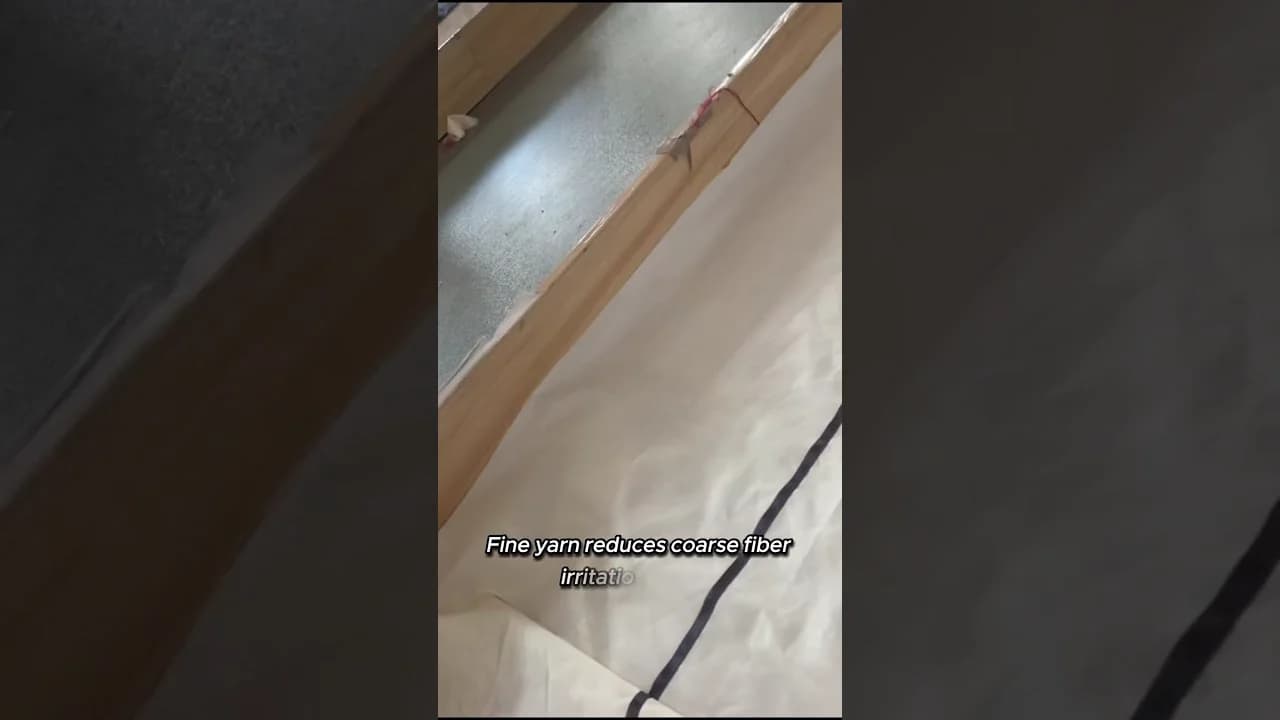
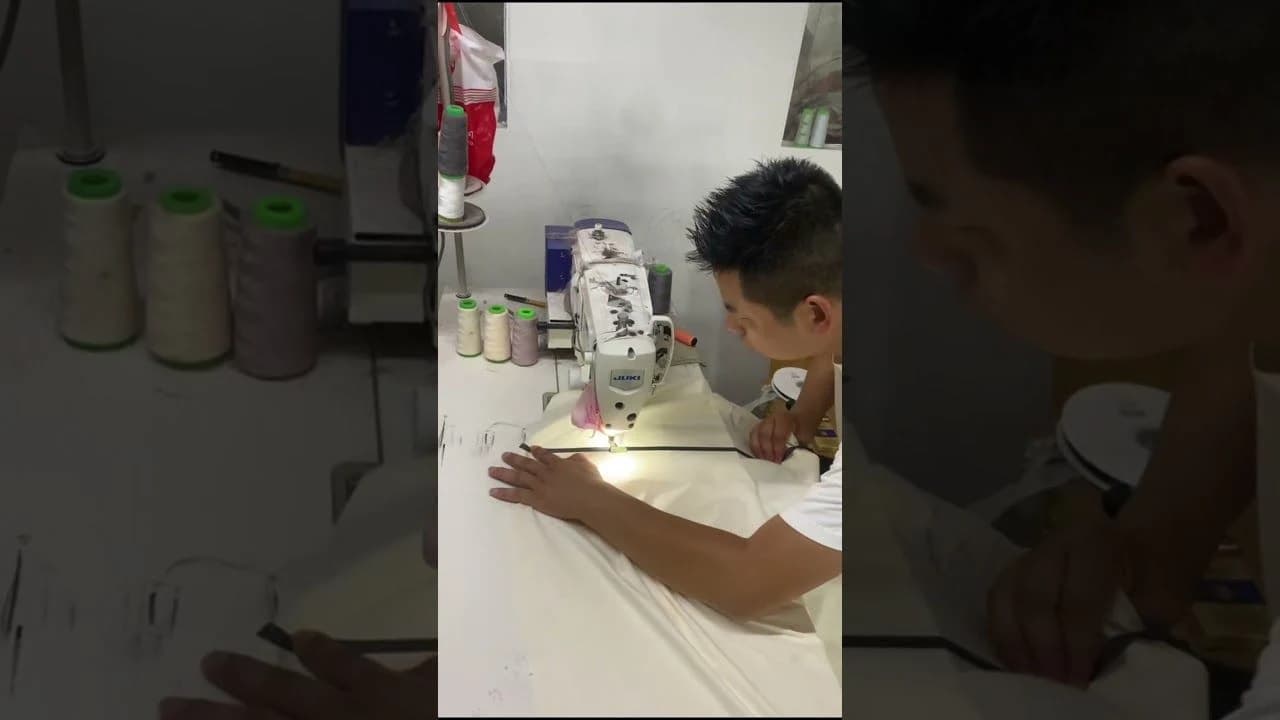
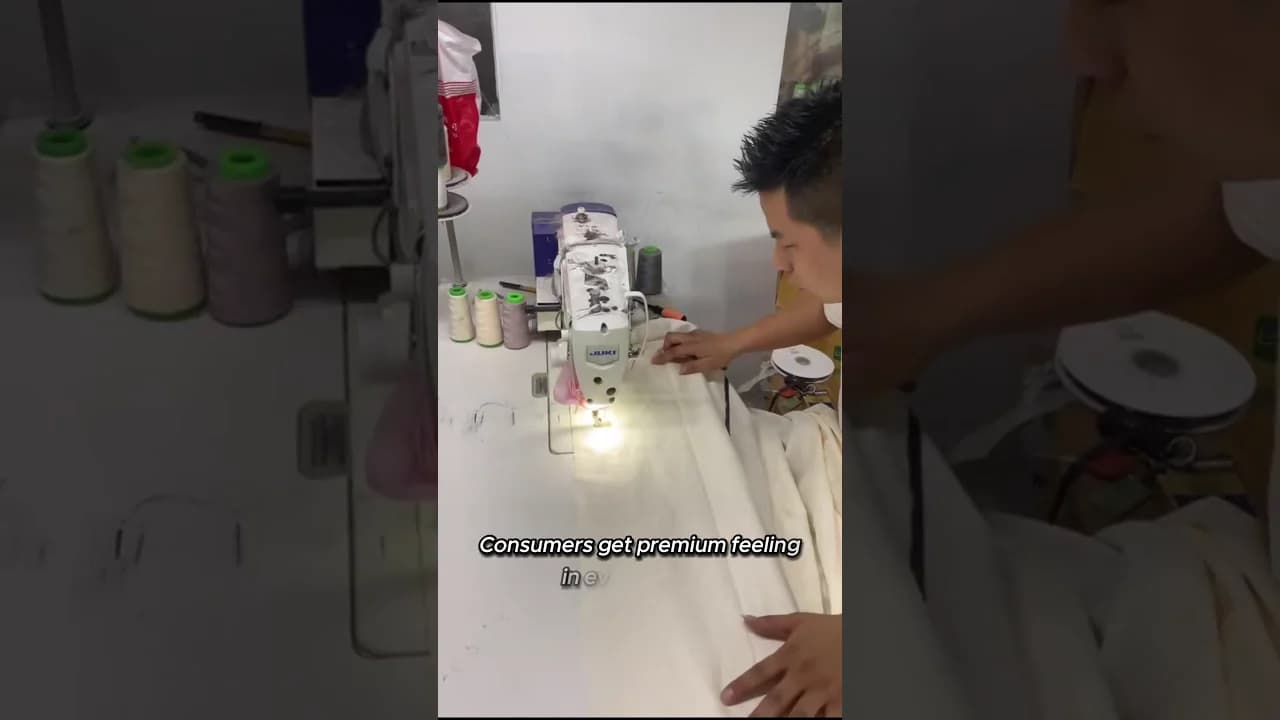
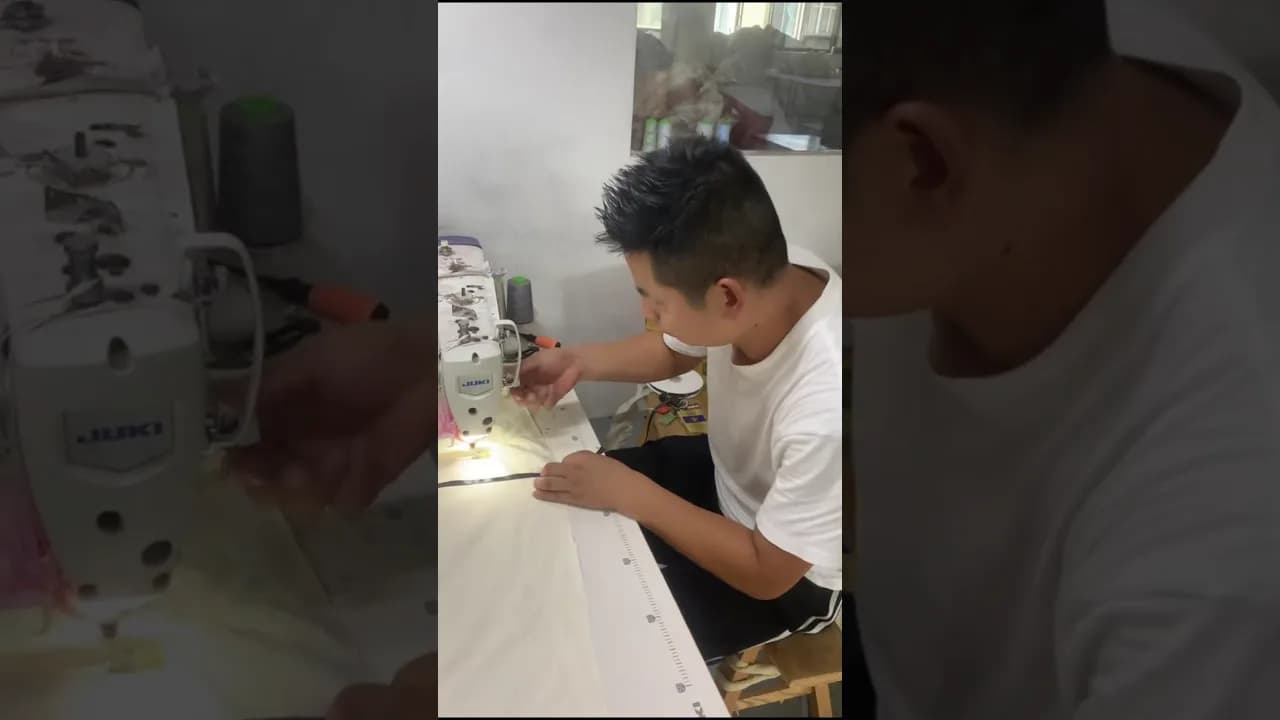
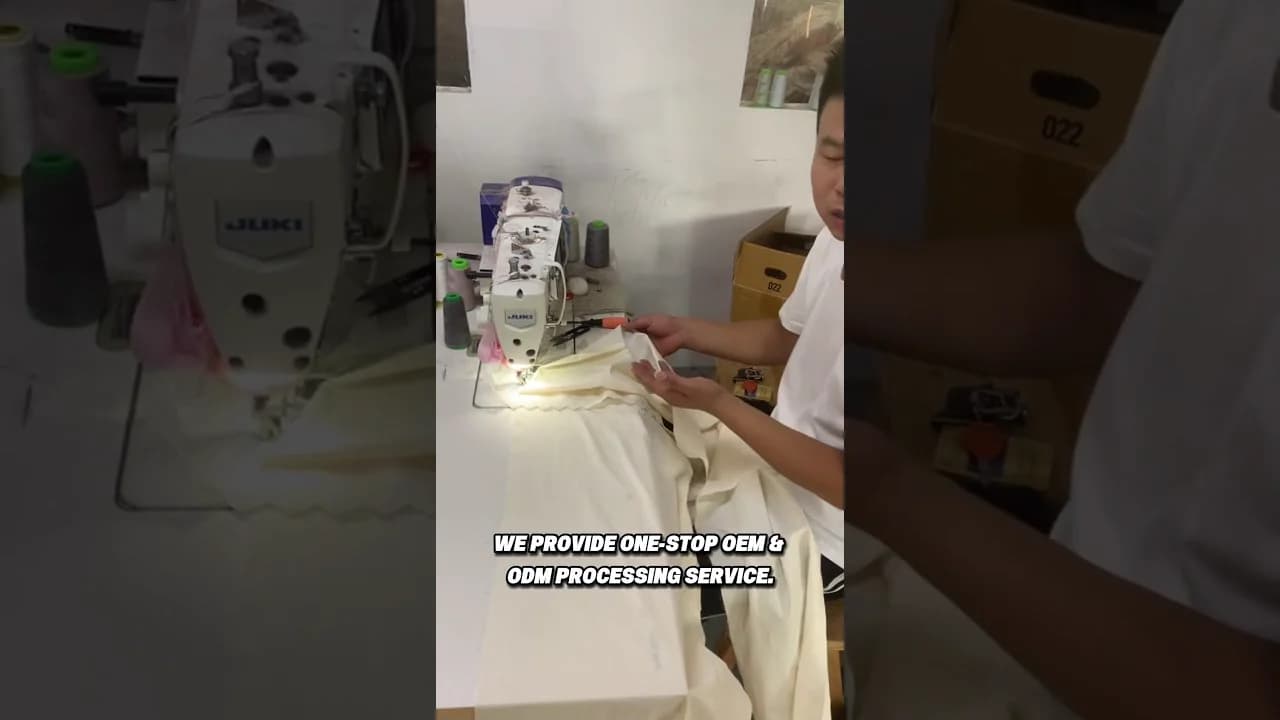
Approve a bedding edge by checking its face, reverse and transition details on a representative sewn sample. This Short shows an operator handling and folding a light fabric edge beside an industrial sewing machine. It gives a useful visual starting point for an OEM or private-label brief, but the finished fold width, stitch class, material and exact product are not specified. Name the component, draw the edge cross-section, define where the width is measured and agree the sample review. Then record the approved revision and the colour × size quantities so the quotation describes the same construction the buyer selected.
Turn the video into an OEM / ODM brief
Start with the target market, application and related product. Then define the approved material or construction, sizes, colour reference, logo, labels, packaging and quantity per design. Each field belongs in the sample and written specification before bulk release.
Name the edge before choosing a seam
A picture of an edge is not enough to distinguish a hem, binding, piping or another finish. In this clip an operator handles a folded light edge near the machine; the exact construction is not declared. For your own project, name the component and edge: a sheet side, pillowcase opening or duvet-cover perimeter. Add a simple cross-section or marked photograph. State whether the fold, stitching and any trim should be visible from the face, reverse or both. Keep separate details for corners, joins and closure transitions if their appearance matters.
Copy this edge-detail brief
| Field | Buyer input | Supplier confirmation |
|---|---|---|
| Component and edge | Product, panel and exact edge location | Drawing reference |
| Fold construction | Cross-section or identified reference sample | Proposed construction; clarify open fields |
| Finished width | Target, tolerance and marked measurement points | Measurement method and sample reading |
| Stitch appearance | Placement and face/reverse requirement | Confirmed stitch class and thread where required |
| Corner, join or closure | Specific transition to include in the sample | Representative detail photograph |
| Approval control | Sample ID, revision, reviewer and decision | Change list and resubmission reference |
Inspect the face, reverse and transitions
Review the sample flat and relaxed using the agreed measurement method. Check whether the fold follows the intended line and whether the visible stitch placement is consistent with the brief. Turn the sample over: a satisfactory face can still leave an unexpected raw edge, bulky join or untidy reverse. Photograph the same area from both sides and include the corner or closure transition requested in the brief. Record an observed mismatch by location, rather than using a broad comment such as improve quality. The supplier can then change a defined feature and return the same detail for review.
| Review area | What to record | Decision |
|---|---|---|
| Face | Fold line, stitch placement and visible edge | Accept / change with location |
| Reverse | Raw-edge enclosure and reverse appearance required by the brief | Accept / clarify construction |
| Width | Reading between the marked points in the agreed condition | Within agreed tolerance / resample |
| Transition | Corner, join or closure photograph and bulk | Accept / revise detail |
| After agreed care | Dimension and appearance observations on an identified specimen | Accept / investigate |
Keep the fabric and edge approvals connected
The linked handfeel video covers the fabric decision that comes before this edge check. A fold and seam can feel different from the flat fabric, so compare the sewn contact area as well as the face. If the fabric changes after edge approval, ask whether the representative sewn sample needs to be made again. When care-related dimensions or appearance are part of the order, agree that route before sampling and record the condition used for measurement. Neither a moving sewing scene nor one unlabelled sample establishes durability, shrinkage or a wash-cycle result.
From visible fold to controlled OEM detail
- 01
Locate the edge
Mark component, face, reverse and the relevant transition.
- 02
Write the detail
Attach fold reference, dimensions, tolerance and measurement method.
- 03
Review both sides
Record sample ID, photographs, readings and specific changes.
- 04
Lock the revision
Approve or resample, then quote against the same fabric and edge detail.
Submit an order-ready sewing request
Use the related cotton-sateen and high-density cotton product records as starting options, not exact matches to the clip. Send the component list, fabric reference, size range, edge drawing, sample request, colour references and packaging brief through the OEM enquiry. BeddingTextilePro is a Nantong trading company coordinating source-factory supply; identify the proposed product and order route in the quotation. List quantities separately for every colour and size, with at least 100 sets per combination and no pooling. Keep the sample approval ID and outstanding changes visible beside each quotation line before approving the order.
Compare bedding options for your project
| Bedding option | Category | Material / construction | How to use it |
|---|---|---|---|
| 100% Cotton 13372 Four-Piece Bedding Set | High-Density Cotton Sets | 100% cotton, reactive-printed for high color fastness. | Related products |
| White 300TC Cotton Sateen Bedding Set | Cotton Sateen Sets | 100% combed cotton, woven as a lustrous twill-sateen; supplied at 300TC and customizable to 200/300/400TC. | Related products |
What to include in your enquiry
Prepare an edge-detail approval record with a sketch, sample ID, both-side photographs, measurement method and a clear accept/change decision.
100% Cotton 13372 Four-Piece Bedding Set · How to Write a Bedding Tech Pack: The Spec Document That Makes Bulk Match Your Sample · Submit an OEM brief
Technical specifications from related products
These values come from the linked product records. They describe related options and do not claim that the video shows the exact SKU unless it is explicitly marked as an exact product.
100% Cotton 13372 Four-Piece Bedding Set
- Material
- 100% Cotton
- Yarn Count
- 40s / 200TC
- Weaving
- Twill
- Dyeing
- Reactive printing
- Fabric Density
- 13372
- Weight
- 120 GSM
- Style
- Minimalist
- Function
- Soft · warm · skin-friendly · moisture-wicking · breathable
White 300TC Cotton Sateen Bedding Set
- Material
- 100% Cotton (combed)
- Weave
- Twill-sateen · silky lustrous face
- Thread count
- 300TC standard — 200 / 300 / 400 TC customizable
- Color
- Hotel white (custom colors available)
- Hand
- Silky · smooth · lustrous drape
- Function
- Breathable · durable for commercial laundering
- Season
- All-season
Frequently asked questions
- What does this folded-edge sewing video show?
- It shows an operator handling and folding a light fabric edge beside an industrial sewing machine. It does not state the exact fold width, stitch class, material or finished SKU.
- Which dimensions belong in an edge-sewing brief?
- State the finished width, measurement points, tolerance and sample condition. Add component and edge location, plus a cross-section or identified sample; confirm the numeric values for your project.
- Why review both sides of a bedding seam?
- The face and reverse can show different fold, enclosure, stitching and join details. Compare both with the written requirement and record a location-specific change when they differ.
- Can the product links be treated as exact matches?
- No. The linked cotton products are related starting options. Confirm the actual fabric, component, edge construction and representative sample before identifying a match.
- What is needed for an OEM quote after sample review?
- Send the approved sample ID and revision, fabric and edge drawing, components, sizes, colours, packaging and destination. List at least 100 sets for every colour × size combination without pooling quantities.
Technical references
Related guides
Shop by category
Explore our services
Sourcing bedding for your market?
Factory-direct quotes, 100-set minimum per color and size combination, full OEM/ODM customization. We reply within one business day.