In short
- Video focus: 60S cotton bedding does not have one universal care setting: washing, drying and ironing must follow the approved finished fabric and its components. For a fine or finished set whose label specifies low heat, use low-temperature ironing and test the whole care route. Build the label from substantiated sample results, not from yarn count alone.
- Buyer value: Approve care instructions against the finished product
- Next step: Request a sample review.
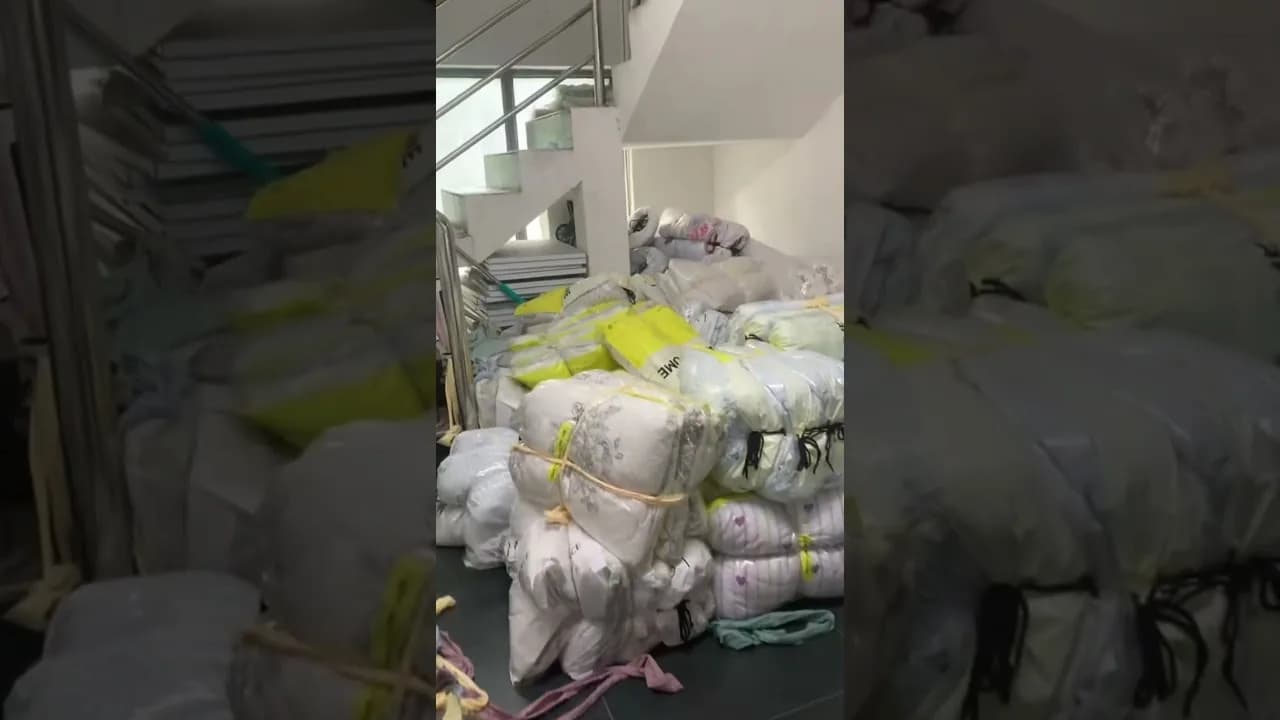
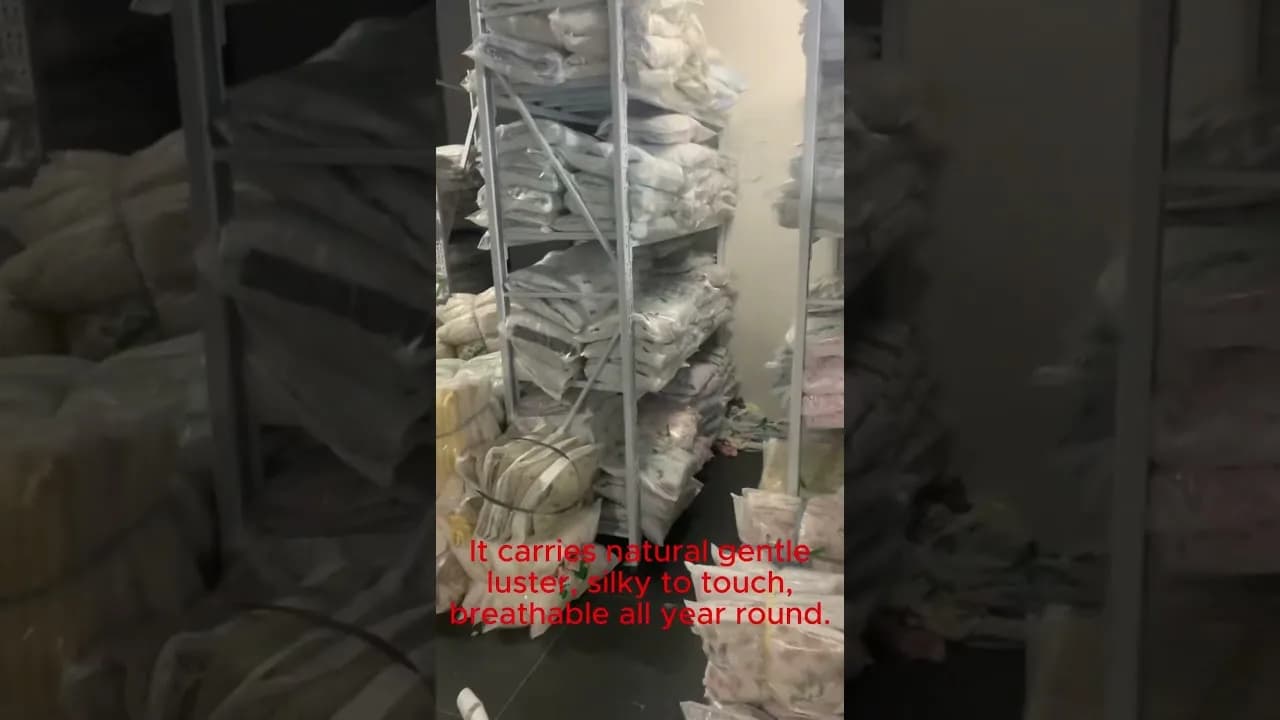
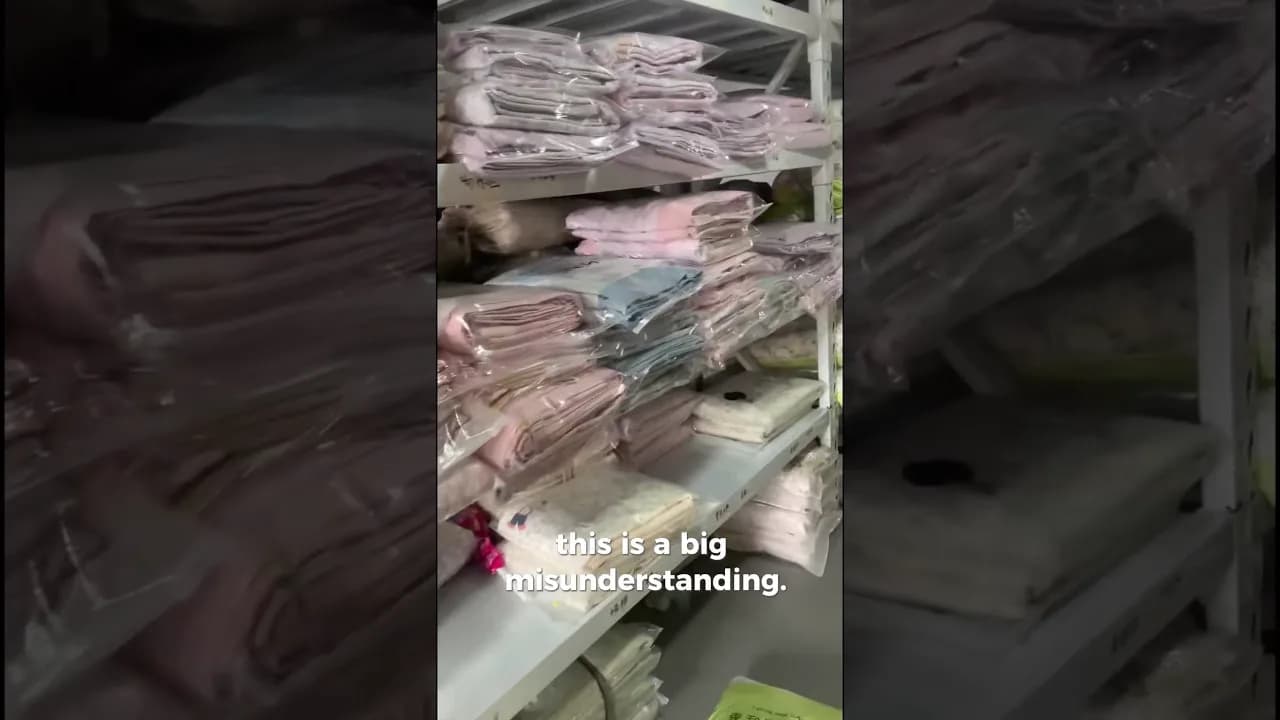
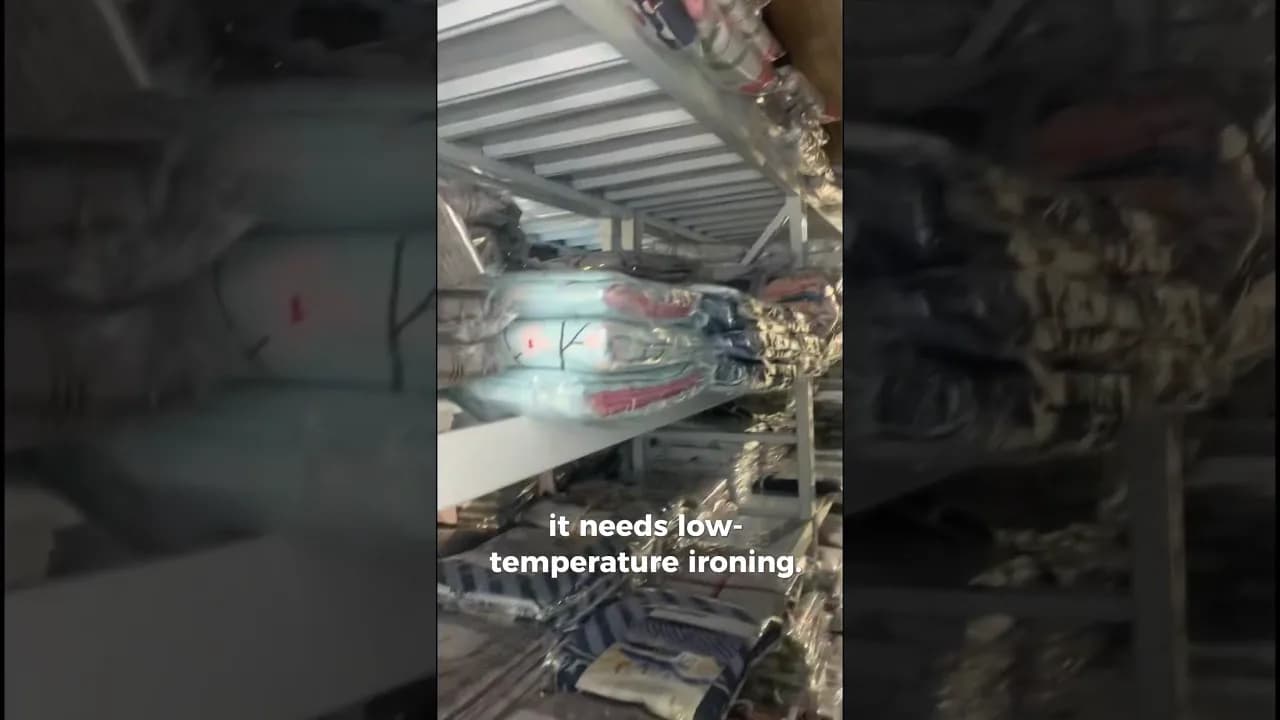
The video highlights a real care point for a fine 60S set: use low-temperature ironing where its approved care specification calls for it. This guide turns that practical note into a buyer-ready care brief—one based on the finished fabric, colour, print and trims, not on an unsupported blanket claim.
Turn the care point into an approved instruction
A care statement belongs to the finished article, not to yarn count alone. Approve it against the exact fabric, colour, finish, sewing components, labels and trims under the intended wash, dry and press route, then lock the same instruction into the final artwork.
Fine 60S cotton bedding can be easy to keep looking good, but it should not be given a generic care rule. The practical point in this video is low-temperature ironing: where the approved care specification calls for it, lower heat protects the finished set. The correct setting depends on the complete product—fibre, dye or print, finish, thread, labels and any trim—not on '60S' alone. For buyers and private-label teams, the reliable method is to approve care instructions from tested samples and carry those instructions into the final label.
Why 60S is a fabric description, not a care instruction
60S describes the fineness of a cotton yarn. It says nothing by itself about the fabric's dye class, print, wrinkle finish, stitching, piping, labels or other components that may limit washing, drying or ironing. A care label must cover normal care without substantial harm and warn against a reasonably expected harmful procedure. That is why a development team should never turn a yarn-count claim into a universal 'hot wash', 'high iron' or 'low iron' promise without a product-specific basis.
| Generic 60S claim | Approved finished-product care brief | |
|---|---|---|
| Basis | Yarn count only | Fabric, finish, colour, trims and tested sample |
| Ironing | Assumes one setting fits all | Uses the temperature or warning supported by the exact product |
| Washing | May overlook dye, print or trim limits | Records method, temperature and bleach warning where needed |
| Bulk control | Hard to audit | Matches the approved sample and label artwork |
| Buyer risk | Inconsistent appearance or avoidable damage | Repeatable consumer and hospitality guidance |
What the care brief must cover
Work through the whole care route: wash method and temperature, bleach restrictions, drying method and heat, ironing instructions, and any colour-separation or special warnings. Fine cotton often benefits from prompt removal from the dryer and a measured ironing temperature, but the exact directions must be justified by the finished article. For a coloured or printed set, include the colourfastness and appearance risks in the sample review rather than copying a care line from a different fabric.
| Care decision | What to verify on the approved sample | What reaches the final label |
|---|---|---|
| Wash | Dimensional change, colour change and surface after the intended cycle | Method and temperature, if heat can harm the item |
| Bleach | Response of fabric, colour and finish | Permitted, non-chlorine only, or no-bleach warning |
| Dry | Shrinkage, hand and wrinkle appearance after drying | Tumble or line method and heat limit where needed |
| Iron | Surface, print, finish and trim response to heat | Low/cool iron, other supported setting, or do-not-iron warning |
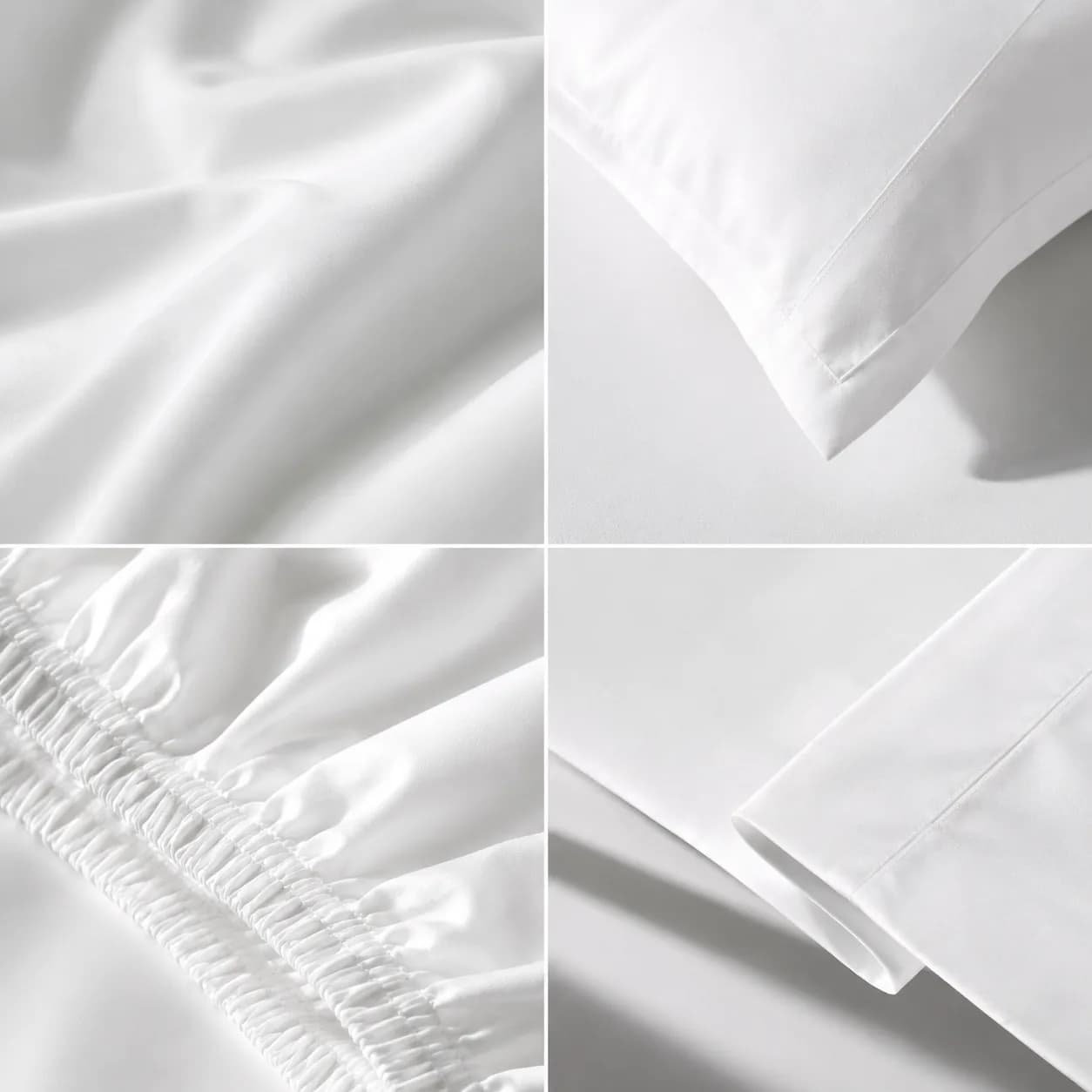
Low-temperature ironing: when the video’s advice applies
Use low-temperature ironing when that is what the approved label or care test supports—especially where a finish, print, decorative component or product specification can be harmed by higher heat. It is not correct to state that every 60S cotton sheet needs low heat simply because it is fine. The buyer's job is to make the risk visible in development: test the real article, record the result and make sure the label, packing insert and customer-service guidance all say the same thing.
A five-step care approval flow
Turning a 60S sample into defensible care guidance
- 01
1. Freeze the actual specification
Record fabric, colour, print, finish, trims and label components—not just 60S.
- 02
2. Define real-world care
Set the home or hospitality wash, dry and press route the product is expected to receive.
- 03
3. Test the sample
Review shrinkage, colour, surface and trim performance after that route.
- 04
4. Write supported instructions
State temperatures and warnings only where the approved article supports them.
- 05
5. Lock label artwork with bulk
Check the final care label against the approved sample and product specification before release.
For private-label bedding, we can coordinate a sample and care-label review on locked, dedicated production lines at large Nantong mills before bulk. Use our editorial standards resource for testing context, then build the finished label around the actual fabric and components you approve.
What to include in your enquiry
Approve care instructions against the finished product
White 300TC Cotton Sateen Bedding Set · Bedding Sample Types Before Bulk: Proto, SMS, PP and Production Samples Explained · Request a sample review
Technical specifications from related products
These values come from the linked product records. They describe related options and do not claim that the video shows the exact SKU unless it is explicitly marked as an exact product.
White 300TC Cotton Sateen Bedding Set
- Material
- 100% Cotton (combed)
- Weave
- Twill-sateen · silky lustrous face
- Thread count
- 300TC standard — 200 / 300 / 400 TC customizable
- Color
- Hotel white (custom colors available)
- Hand
- Silky · smooth · lustrous drape
- Function
- Breathable · durable for commercial laundering
- Season
- All-season
60s Floral Sateen 100% Cotton Four-Piece Bedding Set
- Material
- 100% Cotton
- Yarn Count
- 60s / 300TC
- Weaving
- Sateen jacquard
- Dyeing
- Reactive printing
- Fabric Density
- 173 × 113
- Weight
- 120–140 GSM
- Style
- Minimalist floral
- Function
- Soft · warm · skin-friendly · moisture-wicking · breathable
60s Sateen Two-Tone & Solid 100% Cotton Bedding Set
- Material
- 100% Cotton
- Yarn Count
- 60s / 300TC
- Weaving
- Sateen
- Dyeing
- Reactive dyeing
- Fabric Density
- 173 × 113
- Weight
- 120–140 GSM
- Style
- Minimalist two-tone & solid
- Function
- Soft · warm · skin-friendly · moisture-wicking · breathable
Frequently asked questions
- Does 60S cotton bedding need low-temperature ironing?
- Not universally. Use low heat when the approved care specification for that finished product calls for it. Yarn count alone cannot determine the safe ironing setting because colour, print, finish, labels and trims can change the result.
- How should 60S cotton sheets be washed?
- Follow the product's approved care label. The correct wash method and temperature must be based on the finished article and its validated sample performance, not assumed from the 60S yarn count.
- Why is a care label needed for premium cotton bedding?
- It turns the approved product performance into repeatable instructions for washing, drying, bleaching and ironing. It also makes the limits clear when normal consumer care could harm colour, finish or components.
- What should a bedding brand test before finalising care instructions?
- Test the intended wash, dry and press route on the exact sample, then assess dimensional change, colourfastness, surface appearance, finish and all trim or label components. Keep the evidence with the approved specification.
- Can a private-label bedding programme include custom care labels?
- Yes. A private-label programme can carry market-appropriate care-label artwork, but the instructions should be approved against the actual fabric and components before bulk. Coordinate the sample, specification and label as one release package.
Technical references
Related products
Related guides
Shop by category
Explore our services
Sourcing bedding for your market?
Factory-direct quotes, 100-set MOQ, full OEM/ODM customization. We reply within one business day.