TL:DR
Combed cotton is carded cotton put through one extra spinning step that removes short fibers, neps and trash, leaving longer parallel fibers in the yarn. That makes it smoother, stronger and far more pilling-resistant, at higher cost. Wholesale buyers should spec combed cotton for premium and mid-tier bedding, and carded for budget everyday lines.
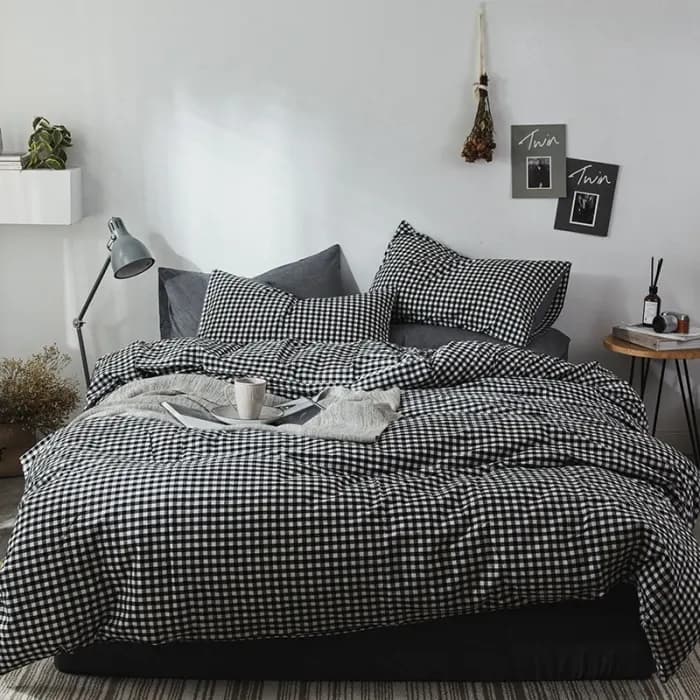
The real gap between combed and carded cotton comes down to one extra spinning step. Here is how combing changes smoothness, strength, pilling, softness, and cost, and which yarn to spec for each bedding tier.
Combed cotton is carded cotton that has gone through one extra spinning step, combing, which pulls out the short fibers, neps, and remaining trash so only longer, parallel fibers stay in the yarn. That makes combed cotton smoother, stronger, and far more pilling-resistant, at a higher cost. Spec combed cotton for premium and mid-tier sheeting; spec carded cotton for budget and utility lines.
What carding and combing actually do to the fiber
Every cotton yarn starts with carding. Raw, tangled cotton is opened, cleaned, and drawn into a loose rope called a sliver, with the fibers roughly straightened and aligned. Cotton Incorporated describes carding as the point where loose, unoriented fiber first takes on a textile form. But a carded sliver still holds a mix of long and short fibers, small tangles (neps), and some trash.
Combing is an optional second pass applied only to that carded sliver. Fine combs grip the fiber bundle and pull out fibers below a set length, generally shorter than about 12.5 mm, because those short fibers add hairiness without adding strength. Removing them leaves a cleaner, more parallel, more uniform sliver. Only a minority of cotton is combed, typically long-staple Upland or Pima grades where the extra length makes combing worthwhile.
Where the waste goes
The short fiber pulled out during combing is called noil. A typical comb removes a meaningful slice of the input as noil, and that removed fiber is not scrapped, it is recycled into coarser, less critical yarns or into nonwoven products because it is exceptionally clean. This waste is the main reason combed yarn costs more: you pay for fiber that never reaches the finished sheet.
How the two compare on the properties buyers care about
The differences below all trace back to a single fact: combed yarn contains only the longer fibers, laid more parallel. Long, aligned fibers grip each other better in the twist, so the yarn is stronger and its surface is smoother, with fewer loose ends waiting to fuzz up into pills.
| Combed cotton | Carded cotton | |
|---|---|---|
| Process | Carded, then combed to remove short fibers and neps | Carded only; short fibers remain in the yarn |
| Smoothness | High; parallel long fibers give a clean, low-hairiness surface | Moderate; more protruding fiber ends and a coarser hand |
| Strength | Higher; long fibers grip better in the twist | Lower; short fibers slip and weaken the yarn |
| Pilling | Low; few loose short ends to migrate and ball up | Higher; short ends work loose and form pills faster |
| Softness | Softer, more even hand that improves with washing | Softer to start in loose weaves but coarser overall |
| Cost | Higher; noil waste and an extra process step add expense | Lower; no combing waste, fewer steps |
| Best tier / use | Premium and mid sateen and percale, high-TC sheeting, OEM branded lines | Budget and utility bedding, promotional and high-volume lines |
Smoothness and pilling
Short fibers are the enemy of a clean sheet surface. They stick out of the yarn as hairiness, and over wash cycles they migrate and tangle into pills. Combing strips most of them out, so combed sateen and percale stay smooth and resist pilling far longer, which matters most for hotel and premium retail programs judged on look and feel after repeated laundering.
Strength and durability
Yarn strength depends heavily on fiber length and uniformity. Cotton Incorporated notes that length uniformity above 85 percent yields better yarn, while below 77 percent it causes processing trouble and weaker yarn. Combing raises uniformity by discarding the short tail of the fiber distribution, so combed yarn spins finer and holds up to more laundering, a direct plus for high-thread-count sheeting where fine, strong yarn is essential.
The cost trade-off, in plain terms
Combed cotton is never cheaper. You pay twice: once for the extra combing step, and again for the noil that leaves as waste rather than becoming yarn. Combing is also usually paired with better long-staple cotton, so the base fiber costs more too. The premium is real but modest per set, and it buys measurably better hand, strength, and pilling resistance.
Which cotton to spec for which bedding tier
- Premium and hospitality lines: combed long-staple cotton in sateen or percale, high TC, where smoothness and pilling resistance are non-negotiable.
- Mid-tier retail sheeting: combed cotton is still the safer spec; it holds up to consumer laundering and returns.
- Budget and utility bedding: carded cotton keeps landed cost down for high-volume or promotional programs where price leads.
- Blends and coarse weaves: carded cotton is common where texture, not slickness, is the goal.
- 1.Decide the tier and price point before you pick the yarn, not after.
- 2.Confirm staple length and combing on the spec sheet, not just the word cotton.
- 3.For premium lines, request combed long-staple and align GSM or TC to the weave.
- 4.Ask for OEKO-TEX documentation so the fiber choice matches your compliance needs.
The extra process is not about a fancier name. Combing removes the short fibers that cause hairiness and pilling, so combed yarn is smoother, stronger, and more uniform than carded yarn from the same cotton.
Bottom line for wholesale buyers
If your program is judged on feel and longevity, spec combed. If it is judged on price per set, carded does the job. The mistake is paying combed prices without combed on the spec sheet, or expecting premium hand from a carded yarn. Match the yarn to the tier, and confirm it in writing.
BeddingTextilePro specs its premium sheeting in combed long-staple cotton for smoother, stronger, low-pilling sets, with carded options for budget lines. On source-factory direct supply from Nantong we ship mill-direct from a 100-set minimum per color and size combination, offer OEM/ODM programs, and back our cotton with OEKO-TEX documentation.
Frequently asked questions
- Is combed cotton always better than carded cotton for bedding?
- It is better on smoothness, strength, and pilling resistance, which is why premium and mid-tier sheeting use it. But carded cotton is a valid, lower-cost choice for budget and utility bedding where price matters more than a slick hand. Better means better for the tier, not better in every case.
- Does combed cotton pill less than carded cotton?
- Yes. Pilling starts when short fiber ends work loose and tangle on the surface. Combing removes most of those short fibers, generally those under about 12.5 mm, so combed sheets stay smooth and resist pilling far longer through repeated laundering.
- Why does combed cotton cost more?
- Two reasons. Combing is an extra process step, and it removes short fiber as noil waste that never becomes finished yarn. Combed cotton is also usually spun from better long-staple grades. Together these raise the per-set cost above carded, though the premium is modest.
- Can I mix combed and carded cotton across one bedding range?
- Yes, and many wholesale buyers do. A common approach is combed long-staple for premium and hospitality SKUs and carded for entry price points. Just make sure each SKU spec sheet states the exact yarn, staple length, and TC or GSM so quality is consistent within each tier.
Sources & references
Shop by category
Explore our services
Sourcing bedding for your market?
Factory-direct quotes, 100-set minimum per color and size combination, full OEM/ODM customization. We reply within one business day.