
E-E-A-T
Verified Bedding Sourcing Case Studies
A sourcing case belongs on this page only when its buyer brief, product scope, process and outcome can be supported. Short testimonials or anonymous summaries are not expanded into invented projects; until a full record passes that gate, buyers should use the documented product, sample and RFQ workflow instead.
What a publishable bedding sourcing case must contain
A useful case study begins with a specific buyer task: for example, building a private-label range, standardising a hotel room matrix or preparing a retail packaging version. It identifies the product category, target market and decision that had to be made. The process then shows which specification, sample, artwork or quality checkpoints changed the outcome. Without those links, a success statement gives a new buyer nothing they can reuse.
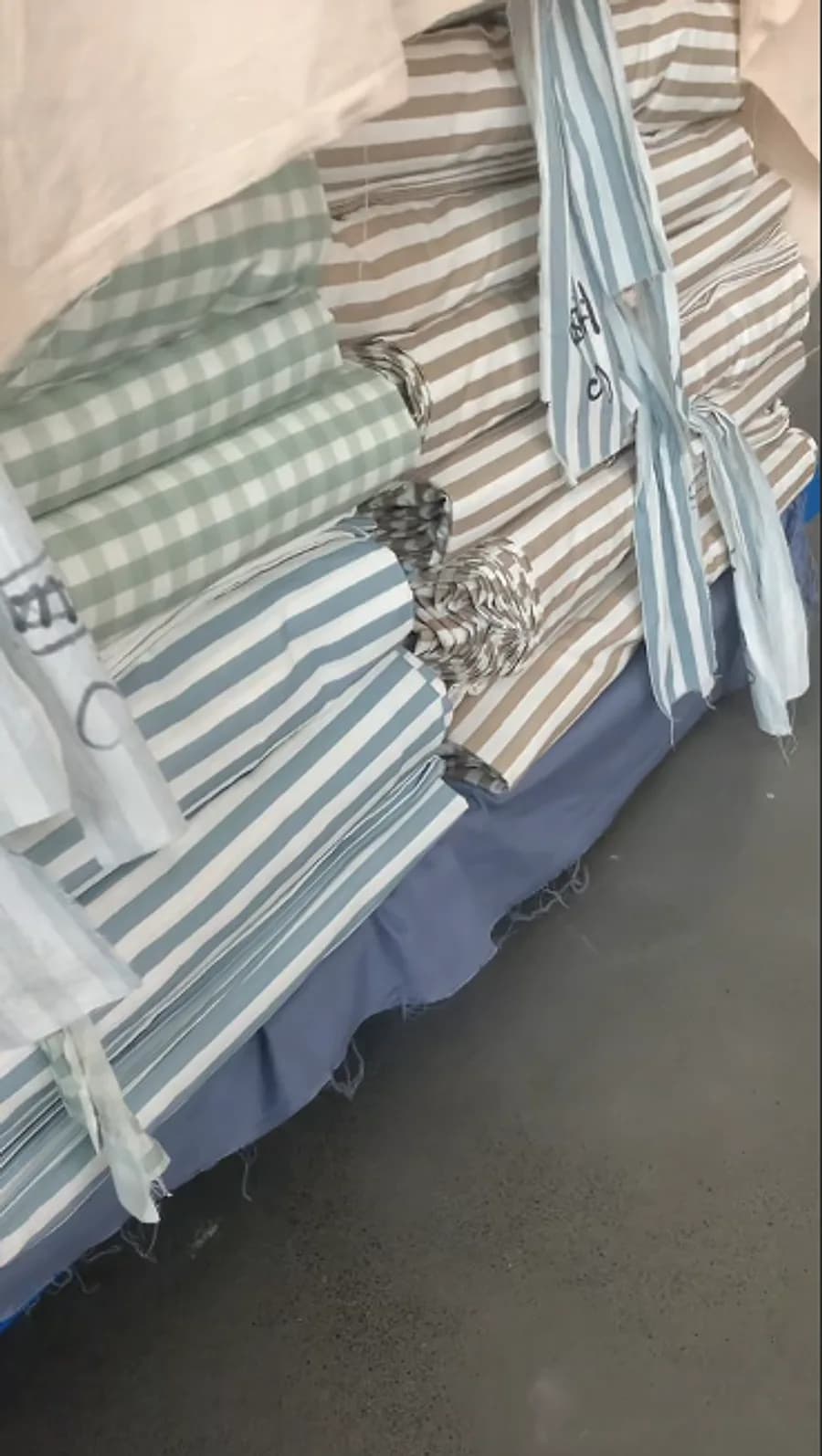
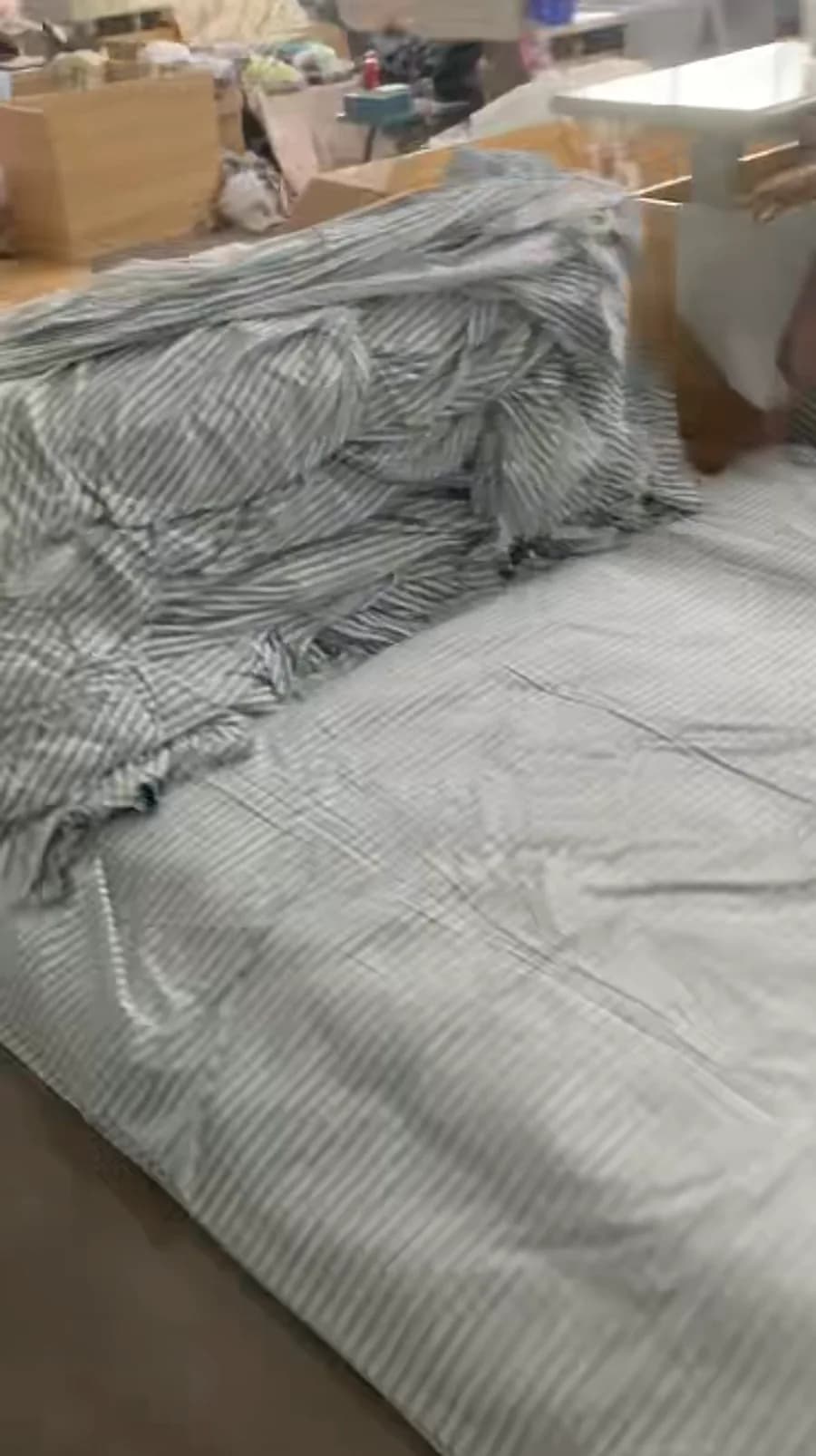
Publication also needs a clear evidence boundary. A product image does not prove a customer delivery, a factory scene does not prove capacity for a particular order, and a testimonial does not supply missing specifications. Names and confidential commercial values can remain private, but the recorded brief, released documents and observable outcome still need internal verification.
- Defined buyer task and market
- Identified product or category
- Released specification or approved sample
- Observable process checkpoints
- Outcome that can be supported
- Permission and confidentiality review
How buyers should use case evidence
Use a case to find a comparable decision pattern, not to assume identical results. Transfer the useful fields into your own brief: components, material and construction, finished dimensions, quantity matrix, branding, packaging, destination and approval steps. Then request a product-specific quote and sample. Different products, care conditions and markets can change the result even when the workflow is similar.
What to review while full cases are unavailable
The catalogue provides exact product records, the private-label and hotel-linen pages explain the relevant commercial route, and the guides show how to structure an RFQ. Those pages are more useful than a thin story when the immediate task is to compare suppliers. A buyer can also ask the export team which existing product most closely matches the intended brief without treating that related option as an exact project reference.
Frequently asked questions
- How should a buyer use the information on this page?
- Use it to prepare the relevant part of a buying brief, then attach the exact product, dimensions, quantity by color and size, destination and required packaging when requesting a quote.
- Does a category or market name replace finished dimensions?
- No. Market names are navigation aids. The order specification should state the finished width and length, component list and any fitted-sheet pocket or closure detail for every SKU.
- Where can I verify the available product parameters?
- Open the linked product detail page and use its material, construction, sizes, customization fields and images. Ask for a sample when a visual or hand-feel decision cannot be made from a specification.
- What is the minimum order rule?
- The minimum is 100 sets for each color-and-size combination. Quantities from different colors or sizes cannot be combined to reach the minimum.
- What makes a quotation comparable?
- Send the same finished specification, quantity matrix, packaging scope, sample requirement, destination and trade basis to every supplier, then separate included and excluded costs.
Reviewed by the BeddingTextilePro Editorial Team using the published product catalogue, buyer workflow and owner-verified company information.