TL:DR
The best way to negotiate bedding MOQ and price tiers is to give the supplier a stable specification, ask for comparable volume breaks, identify the cost driver behind the minimum, and exchange volume for a defined concession such as fewer colours, shared fabric, standard packaging or a rolling forecast. Never accept a lower MOQ without confirming whether it changes price, lead time, material availability, test scope or quality control.
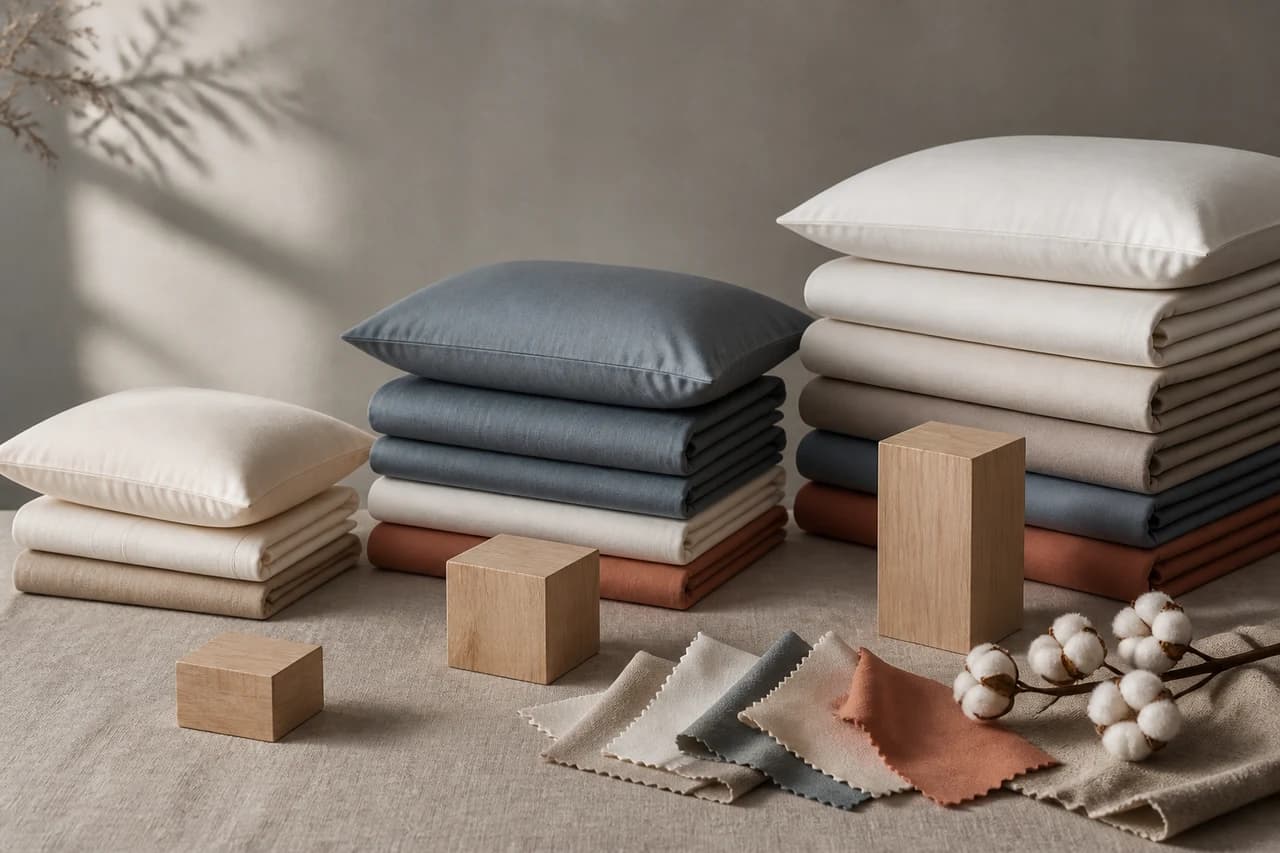
MOQ is not a number to argue down in isolation. It is the point where fabric, dyeing, cutting, trims, packaging, changeovers and inspection become commercially workable. This buyer playbook shows how to request price tiers, trade scope for volume, and protect quality while negotiating a bedding order.
MOQ negotiation works best when both sides are solving a production constraint, not simply debating a number. For bedding, the minimum can be driven by greige fabric, dye-lot size, printing or embroidery setup, trim availability, cutting efficiency, packaging purchase, quality checks and the cost of changing a line from one SKU to the next. A buyer who asks for a lower MOQ without changing anything else is asking the supplier to absorb an unknown cost. A better approach is to make the trade-off visible and request price tiers for one stable, comparable brief.
What does MOQ mean for a bedding order?
MOQ is the smallest quantity a supplier agrees to make under a stated specification and commercial condition. It is not automatically the smallest possible quantity of every colour, size or packaging version. A 300-set programme may be workable in one shared fabric and two standard colours, but not across six custom prints, four sizes and separate gift boxes. Ask whether the MOQ applies per style, colour, size, fabric, print, packaging run or total programme, then write the answer into the quotation.
| Unhelpful request | Negotiable request | |
|---|---|---|
| Starting point | Can you reduce the MOQ? | Please quote the same approved brief at 100, 300 and 600 sets. |
| Specification | Many colours and bespoke details remain open | Fabric, size set, print method and packaging are fixed for comparison |
| Trade-off | Discount is requested without a give-back | Buyer offers fewer colours, shared fabric, rolling releases or a forecast |
| Risk control | Lower quantity is accepted on a verbal promise | Price, lead time, tests and inspection remain explicit at every tier |
| Decision | One number with hidden assumptions | A written volume-versus-scope choice the buyer can approve |
How to ask for bedding price tiers
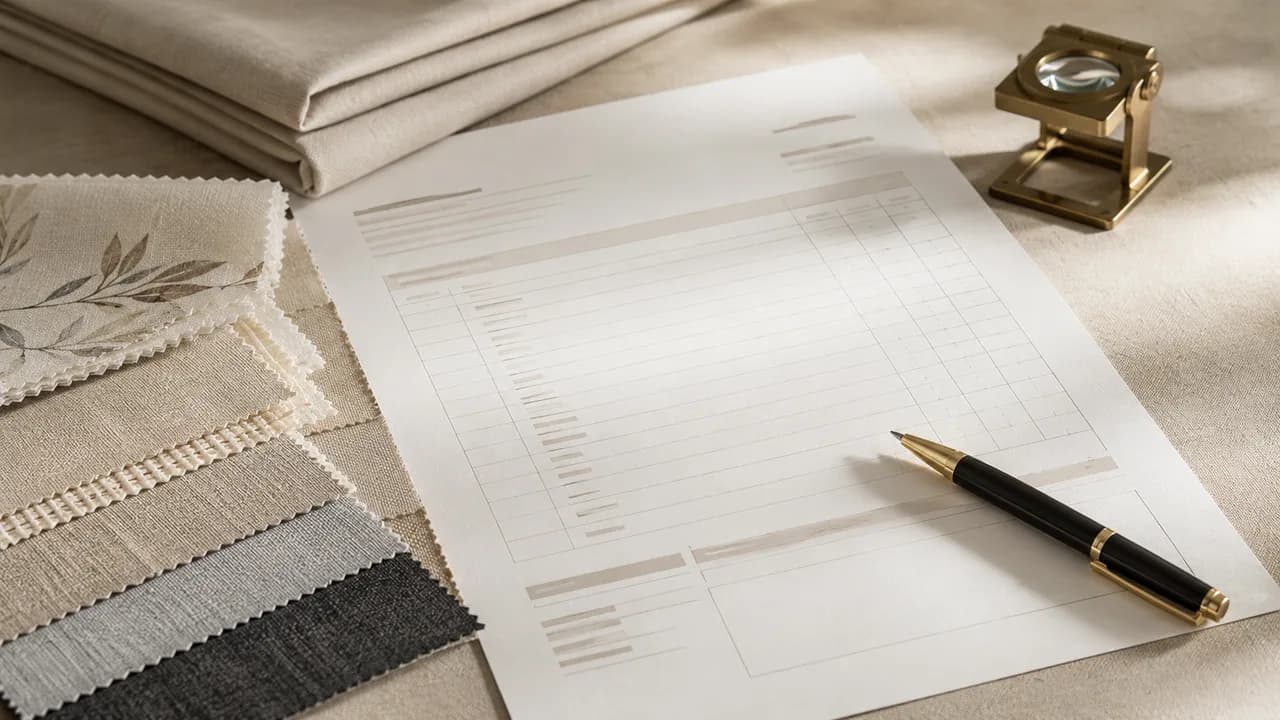
Use one RFQ worksheet and ask for volume breaks against the same base specification. Include the article, composition, weave or finish, dimensions, size ratio, colour count, print or embroidery method, filling if relevant, packaging, target market, test requirements, delivery term and inspection expectation. ICC explains that Incoterms rules allocate buyer and seller obligations, risks and costs; they do not decide the goods price or replace a sales contract. Keep the delivery term separate from the ex-works product tier so the numbers stay comparable.
| Tier question | Why it changes cost | Buyer response |
|---|---|---|
| How many sets per colour? | Dyeing, printing and changeovers often run by colour or design | Consolidate into fewer core colours or accept a colour-specific tier |
| Can fabric be shared? | A larger combined fabric run may reduce minimums | Use one approved base fabric across coordinating SKUs |
| Is packaging custom? | Low-volume printed boxes and inserts create separate purchase minimums | Use standard packaging for the test order and phase in custom packs |
| Are sizes fragmented? | More size ratios create more cutting and inventory complexity | Choose fewer sizes if needed; each size/color combination must reach 100 sets |
| What is the release schedule? | A forecast can improve material planning without requiring one shipment | Offer a written blanket order with defined call-offs if commercially appropriate |
A five-step MOQ negotiation sequence
From first RFQ to an approved price tier
- 01
1 — Freeze the comparison brief
Lock the material, construction, size ratio, colours, packaging and test scope before requesting prices.
- 02
2 — Ask where the minimum sits
Confirm whether it applies per style, colour, fabric, print, size or total programme; request the production reason.
- 03
3 — Request comparable tiers
Ask for the same brief at two or three quantities and require the quotation to state lead time, delivery term and validity.
- 04
4 — Trade scope deliberately
Offer a smaller colour range, shared material, standard packaging or forecasted releases only when the returned concession is written.
- 05
5 — Lock the order controls
Confirm sample, test, inspection, payment, change-control and delivery terms before issuing the purchase order.
What should not be traded away?
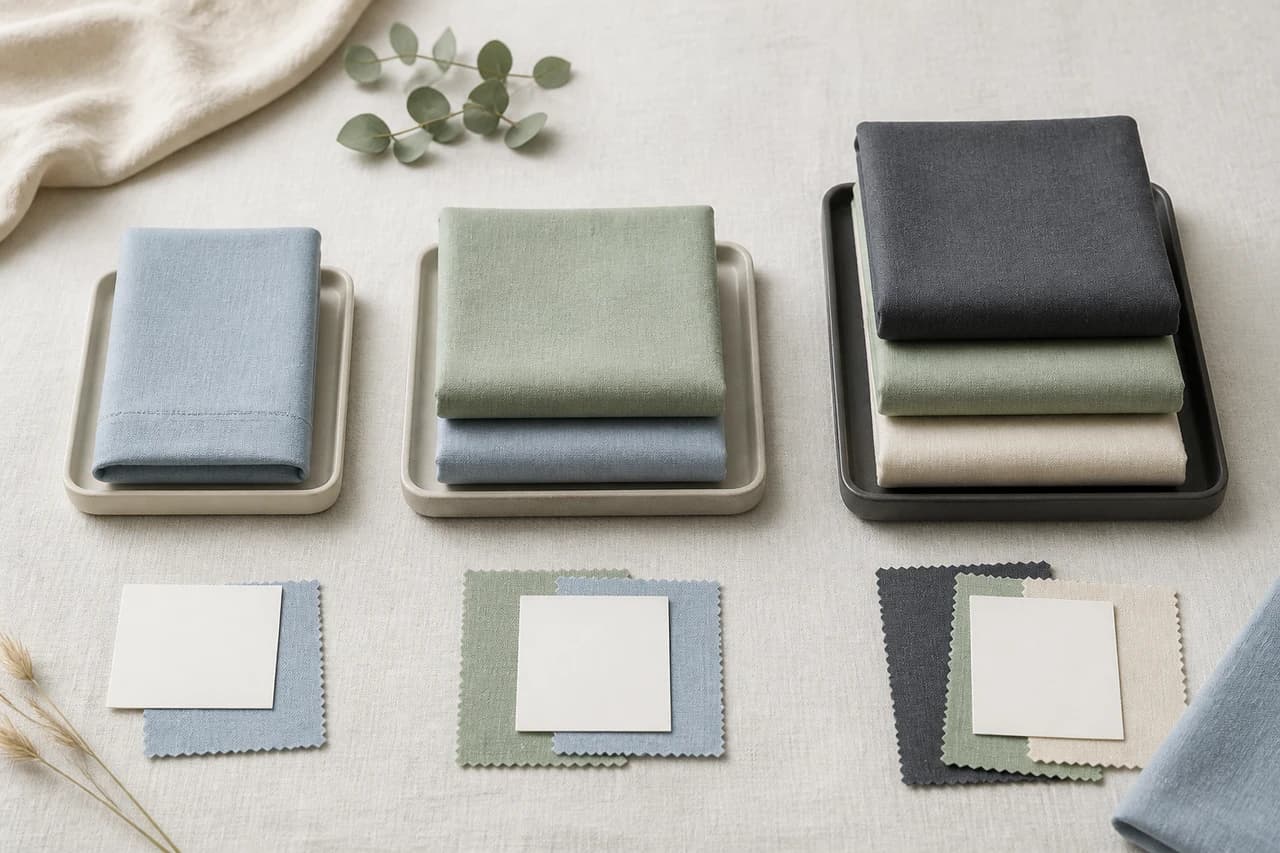
Do not lower the MOQ by silently removing product controls. The quotation should still identify the approved sample, fibre composition, dimensions and tolerances, required test evidence, inspection level, packaging, delivery term, payment milestone and change process. If a lower tier uses different fabric availability, a longer lead time, limited colour choice or a different packing method, label it as a different commercial option. A cheap minimum that creates an unapproved substitution or late shipment is not a saving.
Use price tiers to build a repeatable programme
For repeat buying, a forecast or blanket order can be more valuable than forcing a single low MOQ. It can let the supplier plan fabric and production while the buyer takes releases on an agreed schedule. State the forecast window, firm release dates, permitted variance, price validity and what happens if material costs or specifications change. BeddingTextilePro supports custom B2B programmes through locked, dedicated production lines at large-scale Nantong mills, goods shipping direct from the mill and a 100-set minimum per color and size combination; any quoted tier still needs the approved specification, sample and written commercial terms.
The buyer's conclusion
Negotiate bedding MOQ by making the production maths visible. Stabilize the brief, compare like-for-like tiers, find the cost driver, trade scope only with a written return, and keep quality and delivery controls intact. The result is not merely a lower number; it is an order structure both purchasing and production can actually deliver.
BeddingTextilePro is a Nantong B2B supplier of bedding sets, summer quilts and hotel linen on source-factory direct supply — locked, dedicated production lines at large-scale Nantong mills, goods shipping direct from the mill — with a 100-set minimum per color and size combination, full OEM/ODM customization and OEKO-TEX support. Request a wholesale quotation and our export team will reply within one business day.
Frequently asked questions
- What is a normal MOQ for custom bedding?
- There is no single normal MOQ because it depends on fabric, colour, print, size ratio, packaging and production method. Ask the supplier whether the minimum is per style, colour, fabric or programme. Compare written tiers against one stable specification instead of using another product's MOQ as a benchmark.
- Can I negotiate a lower MOQ for bedding?
- Often, but there is usually a trade-off. You may consolidate colours, share a base fabric, use standard packaging, accept a higher unit price, or provide a rolling forecast. Confirm every resulting change in price, lead time, test scope and quality controls before approval.
- How should price tiers be shown in a bedding quotation?
- Each tier should state quantity, unit price, currency, delivery term, specification version, colour and size assumptions, packaging, lead time, quotation validity, test scope and any setup charge. That makes it possible to compare volume options without hidden differences.
- Does Incoterms decide the bedding price?
- No. Incoterms rules allocate stated delivery obligations, risk and certain costs between buyer and seller. They do not set the goods price, payment terms, product specification or remedies. Keep the delivery term explicit, but negotiate the product price and contract terms separately.
- Should I accept a lower MOQ with a higher unit price?
- It can be sensible for a market test, limited launch or sampling programme if the total cost and risk are clear. Compare the higher unit price with inventory exposure, packaging minimums, freight, lead time and the chance of a reorder. Keep the approved sample and inspection requirements unchanged.
Sources & references
Featured products
Shop by category
Explore our services
Sourcing bedding for your market?
Factory-direct quotes, 100-set minimum per color and size combination, full OEM/ODM customization. We reply within one business day.