TL:DR
Colour fastness asks how colour change or staining is assessed under a defined method; shrinkage asks how dimensions change after specified washing and drying. Neither has a universal pass result outside its method, sample and tolerance. Put the method, conditions, representative sample, report scope and release decision into the RFQ, then compare the finished bedding article—not an unrelated swatch.
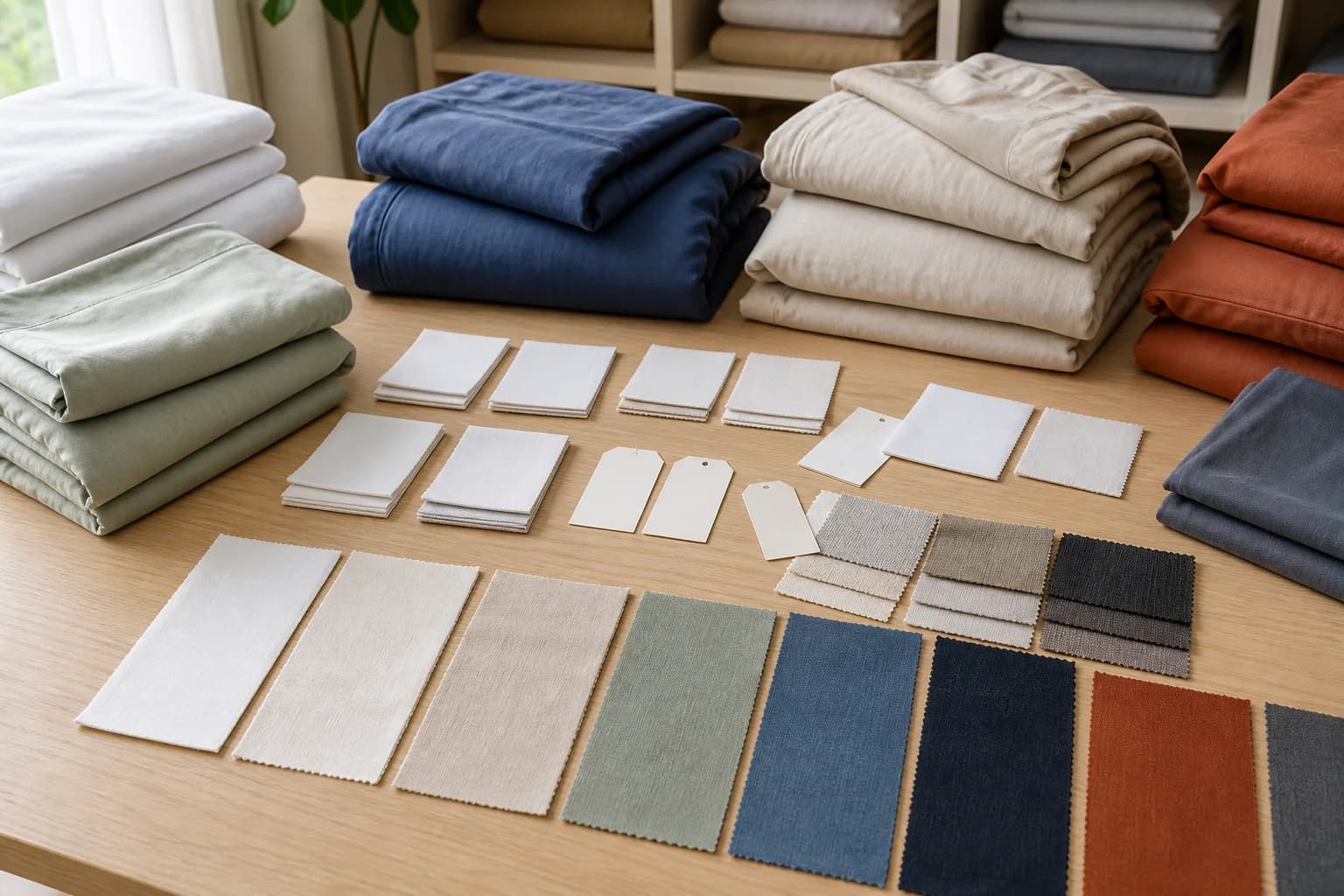
Colour fastness and shrinkage are different controls. This buyer guide maps AATCC and ISO methods to an RFQ, sample review and pre-shipment decision.
Direct answer: colour fastness and shrinkage are separate quality questions. Colourfastness methods assess colour change or staining under specified exposure, while dimensional-change methods assess size change after a defined wash and dry route. A buyer should name the method, sample, conditions, tolerance and report scope in the RFQ; one test or one swatch does not prove every colour, lot or laundering outcome.
What do colour fastness and shrinkage actually measure?
AATCC TM61 is an accelerated laundering colourfastness method that evaluates colour change and staining under its stated conditions. ISO 5077 specifies how dimensional change after washing and drying is determined. The result belongs to the method and specimen: it should not be rewritten as a promise that a finished bedding item will never fade or change size in every home or industrial wash.
| Buyer concern | What to measure | Evidence to request | What it does not prove |
|---|---|---|---|
| Laundering colour | Colour change and staining under the agreed laundering method | Method, specimen, ratings, report scope and lot traceability | That every colour or future lot will behave identically |
| Crocking | Transfer under the specified dry or wet rubbing method | Method, direction, fabric side and result scope | Wash durability or chemical safety |
| Light, water or perspiration | The exposure relevant to the application | Exposure method, scale and specimen identity | A universal retail or hotel guarantee |
| Dimensional change | Length and width change after specified wash/dry conditions | ISO/AATCC method, directions, baseline and tolerance | That a different care route has the same result |
What belongs in a bedding quality brief?
| Control | Write into RFQ/PO | Why |
|---|---|---|
| Method | AATCC or ISO method and version, where applicable | Prevents two suppliers from reporting incomparable tests |
| Sample and lot | SKU, colour, construction, lot and retained specimen | Links the result to the finished article being bought |
| Wash and dry route | Detergent, temperature, cycles, drying and conditioning as agreed | Care conditions can change colour and dimensions |
| Rating and report | Scale, photographs if useful, report scope and exclusions | Keeps a result from becoming a broader promise |
| Tolerance and release | Buyer acceptance rule, inspection point and disposition | Turns a test into a purchasing decision |
A pre-shipment comparison flow
Colour and shrinkage control sequence
- 01
1 · Freeze the specification
Record fibre, construction, colour, finished dimensions, care and intended use.
- 02
2 · Retain the approved sample
Keep a labelled specimen and the baseline measurements for the exact article.
- 03
3 · Define the method
Agree the relevant colourfastness or dimensional-change method, conditions and tolerance.
- 04
4 · Test or inspect representative goods
Tie any report or inspection to the SKU, colour, lot and specimen—not a generic catalogue sample.
- 05
5 · Compare and record
Compare colour and dimensions against the agreed basis, then record release, rework or hold.
- 06
6 · Align the quote
Carry the approved care, evidence scope and any per-color-and-size minimum into the quotation.
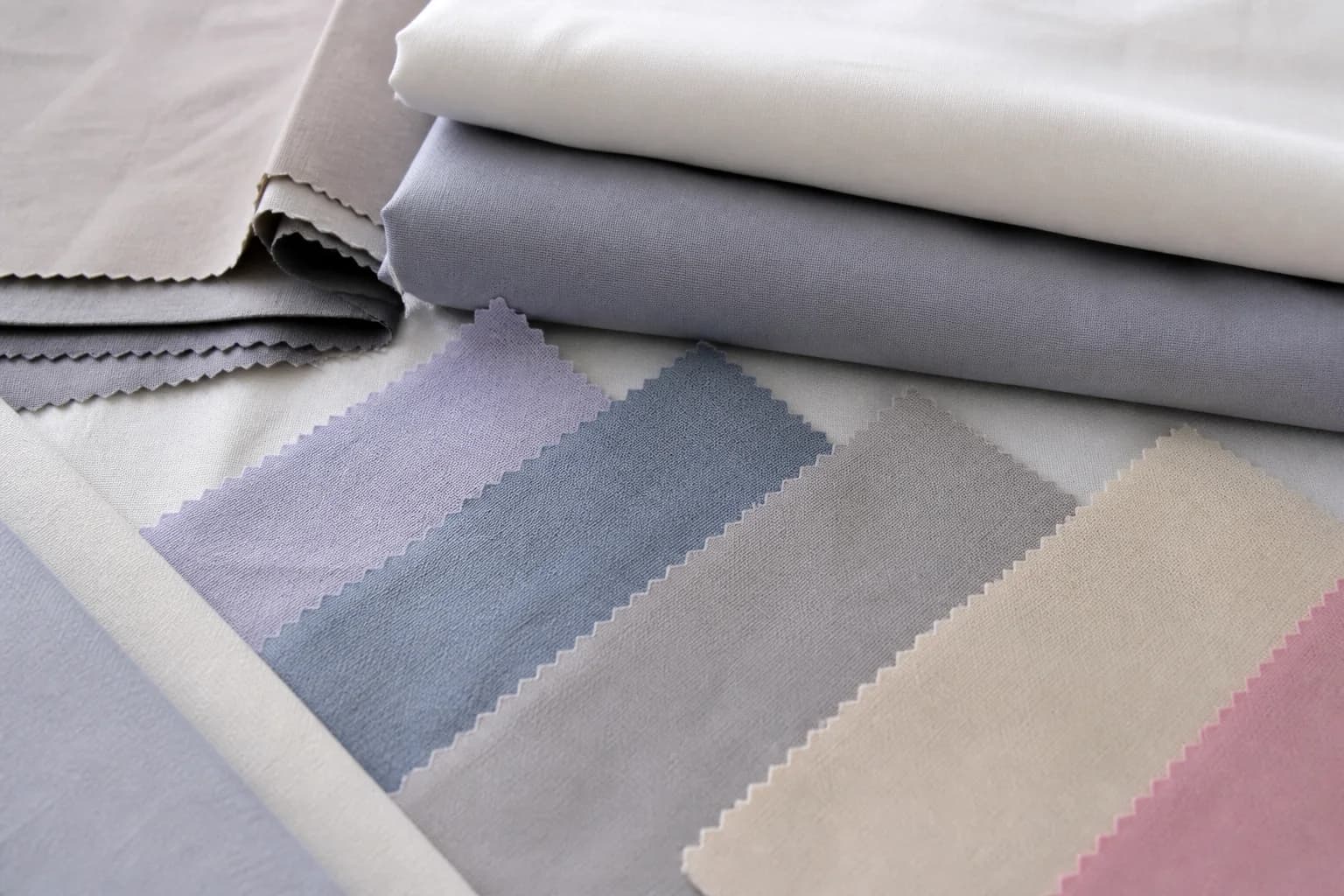
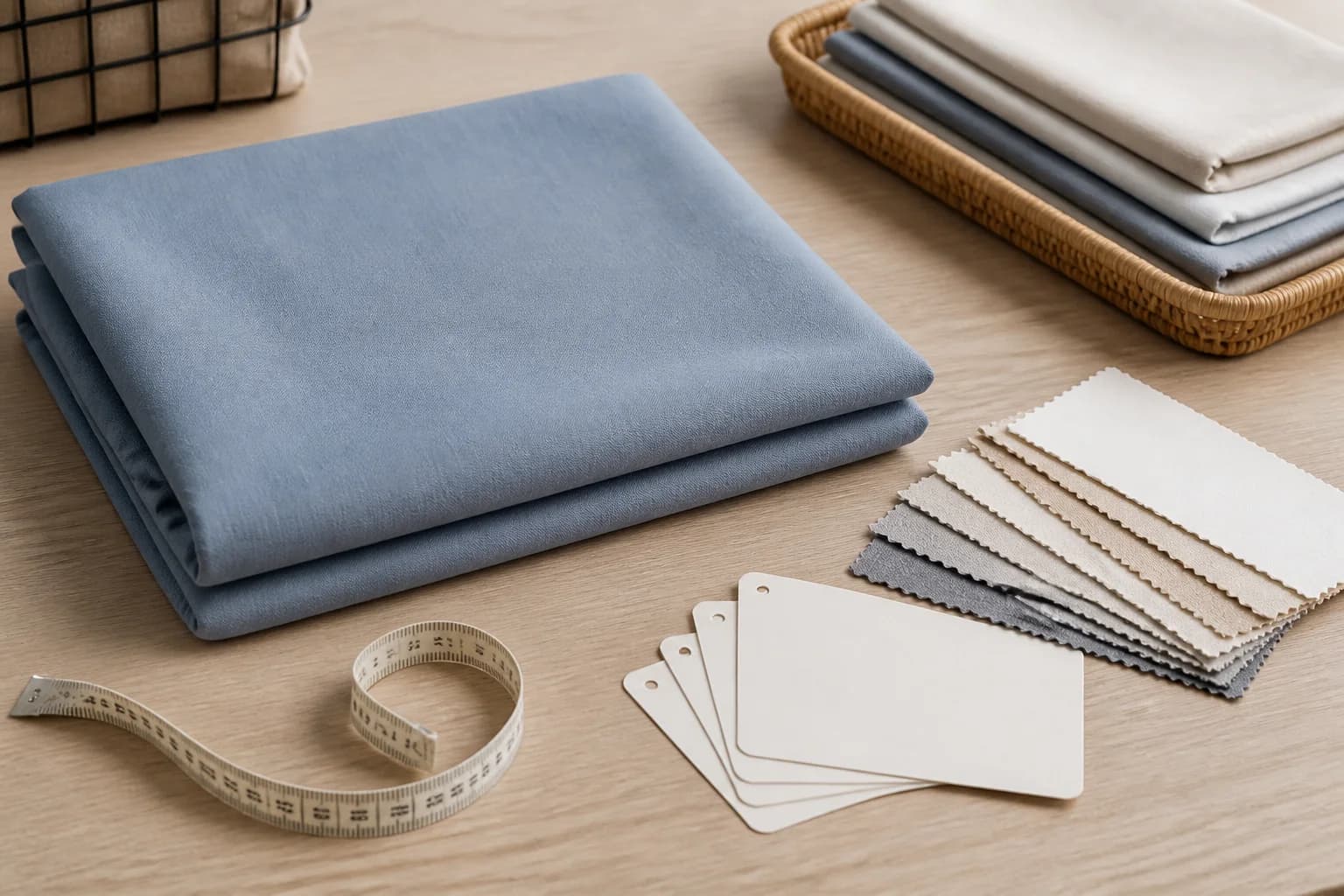
How to discuss results without overclaiming
- Do not write 'won't fade' without naming the exposure, method, specimen and scope.
- Do not treat one swatch as evidence for every finished colour, lot or construction.
- Separate colour change, staining, crocking and dimensional change; they answer different questions.
- Record shrinkage direction and baseline dimensions rather than using a vague 'stable' label.
- OEKO-TEX wording does not prove colourfastness or shrinkage performance; keep it within verified document scope.
Buyer conclusion
A controlled colour and shrinkage brief protects the approved sample, label and purchase order from ambiguous claims. BeddingTextilePro is a Nantong trading company coordinating source-factory direct supply and document handoffs; it is not a testing laboratory or manufacturer. Use the editorial standards and contact pages to share the finished SKU, care route, target market and evidence request. The minimum is 100 sets for each color and size combination; quantities from different colors or sizes cannot be pooled.
Frequently asked questions
- Is colourfastness the same as shrinkage?
- No. Colourfastness concerns colour change or staining under a defined exposure; shrinkage concerns dimensional change after specified washing and drying. They need separate methods and acceptance records.
- What is AATCC TM61 used for?
- It is an accelerated laundering colourfastness method with stated conditions for evaluating colour change and staining. It is not a universal guarantee for every laundering route or finished product.
- Does ISO 5077 set one universal shrinkage limit?
- ISO 5077 specifies how dimensional change after washing and drying is determined. The buyer still needs the applicable care conditions, specimen and tolerance for the product and market.
- Can an OEKO-TEX document prove colourfastness?
- Not by itself. OEKO-TEX wording must remain within the verified document scope and does not replace a colourfastness or dimensional-change method.
- Should I test a swatch or the finished bedding?
- Use the specimen that represents the purchasing decision. A finished article can add filling, seams, quilting and care variables, so do not generalize a separate fabric swatch without confirming scope.
Sources & references
Featured products
Shop by category
Explore our services
Sourcing bedding for your market?
Factory-direct quotes, 100-set minimum per color and size combination, full OEM/ODM customization. We reply within one business day.