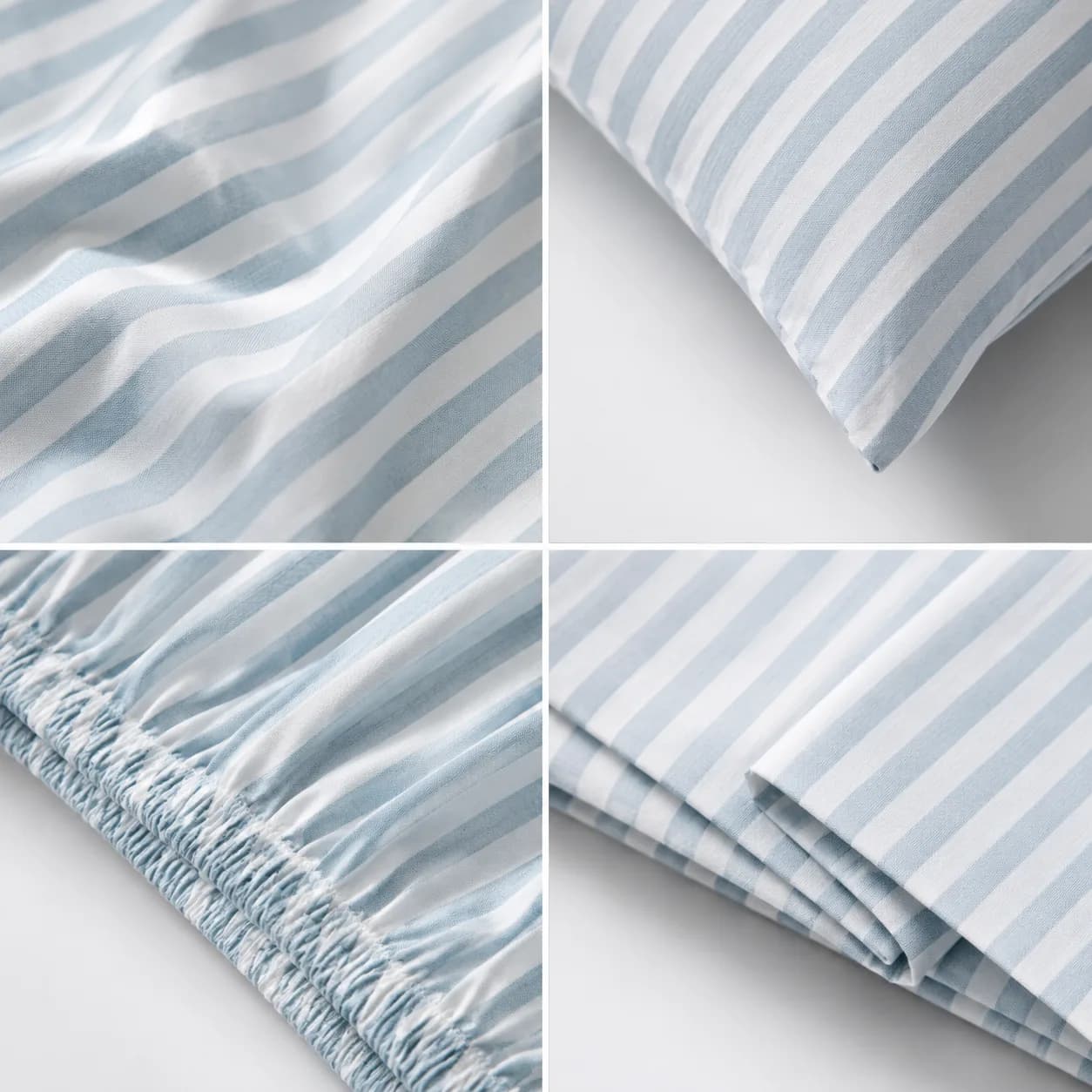
TL:DR
يعمل فحص AQL لطلبية المفروشات بسحب عيّنة عشوائية يُحدَّد حجمها من حجم دفعتك وفق ISO 2859-1 (المستوى العام II)، ثم عدّ العيوب بوصفها حرجة أو كبرى أو صغرى مقابل أرقام قبول ورفض متفق عليها مسبقًا — شائعًا AQL كبرى 2.5 وصغرى 4.0. وإذا بقيت العيوب عند رقم القبول أو دونه، شُحنت الدفعة كلها.
كيف يفحص مشتري المفروشات بالجملة طلبيته فعليًا: نظام AQL، وحروف رموز حجم العيّنة، وأرقام القبول والرفض، وفئات العيوب، والفحص أثناء الإنتاج DUPRO مقابل الفحص العشوائي النهائي، والعيوب الخاصة بالمفروشات التي تقرر ما إذا كانت كراتينك ستُشحن.
لفحص طلبية مفروشات بالجملة لا تفحص كل طقم — بل تتفق على حد جودة القبول (AQL)، وتسحب عيّنة عشوائية محددة إحصائيًا وفق ISO 2859-1، وتصنّف كل خلل إلى حرج أو كبير أو صغير، ثم تقبل الدفعة كلها أو ترفضها مقابل أرقام قبول ورفض مضبوطة مسبقًا. ولطلبية مفروشات نمطية يضبط معظم المشترين مستوى الفحص العام II، وحد AQL للعيوب الكبرى عند 2.5 وللصغرى عند 4.0، مع عدم التسامح إطلاقًا مع العيوب الحرجة. وبقية هذا الدليل هو بالضبط كيف تعمل تلك الآلية، والأرقام الصحيحة لأحجام العيّنات في أحجام الدفعات الشائعة، والعيوب الخاصة بالمفروشات — الغرز المتخطاة، وفرق اللون، وانحراف GSM، وقوة الدرزة، ومطاط الشرشف المطاطي — التي تقرر ما إذا كانت كراتينك ستُشحن.
ماذا يعني AQL فعليًا لطلبية مفروشات
AQL هو مستوى الجودة الذي يمثل، بعبارة ISO 2859-1، أسوأ متوسط عملية محتمل — أي أقصى نسبة مئوية من الوحدات المعيبة التي يقبل بها المشتري عبر سلسلة من الدفعات. وهو عتبة لخطة معاينة، لا وعدًا بشأن شحنتك بعينها. فحد AQL للعيوب الكبرى عند 2.5 لا يعني "يجوز أن يكون 2.5% من أطقمي معيبًا ولا بأس"؛ بل يعني أن خطة المعاينة مضبوطة بحيث يكون لتشغيلة إنتاج عند نحو 2.5% معيب احتمال مرتفع للقبول، ولتشغيلة أسوأ بكثير احتمال منخفض للمرور. وهذه أكثر نقطة يُساء فهمها في توريد المفروشات: اجتياز AQL رهان إحصائي على الدفعة كلها، مسحوب من عيّنة، لا ضمان أن كل طقم خالٍ من العيوب.
والمفهوم المقابل هو LTPD، أي نسبة المعيب المحتملة في الدفعة — مستوى الجودة الرديء الذي يريد المشتري احتمالًا منخفضًا لقبوله. وتقع كل خطة معاينة على منحنى الخاصية التشغيلية (OC) الذي يرسم احتمال قبول الدفعة مقابل نسبة معيبها الحقيقية. وعلى ذلك المنحنى تعيش مخاطرتان: مخاطرة المنتج بأن تُرفض دفعة هي فعلًا عند AQL، ومخاطرة المستهلك بأن تُقبل دفعة هي فعلًا عند LTPD. ولا يمكنك تصفير الاثنتين معًا دون فحص كل قطعة — فحجم العيّنة هو الرافعة التي توازن التكلفة باليقين.
المعايير خلف AQL: ISO 2859-1 وANSI/ASQ Z1.4 وMIL-STD-105
ثلاثة معايير تصف العائلة نفسها من جداول المعاينة بالخواص، وسيذكر مورّد المفروشات أو وكالة طرف ثالث أحدها في تقرير الفحص. الأصل كان MIL-STD-105، وهو معيار دفاعي أمريكي مبني على العمل الإحصائي لوالتر شوهارت وهارولد دودج وهاري روميغ، وقد أُلغيت مراجعته الأخيرة MIL-STD-105E رسميًا في فبراير 1995. لكن منهجيته لم تختفِ — فهي تعيش في ANSI/ASQ Z1.4، "إجراءات وجداول المعاينة للفحص بالخواص"، الذي أوصت به وزارة الدفاع الأمريكية بديلًا مدنيًا، وفي المعيار الدولي ISO 2859-1، "إجراءات المعاينة للفحص بالخواص". ومن الناحية العملية فإن أحجام العيّنات وأرقام القبول والرفض التي تراها مقتبسة هي نفسها في ISO 2859-1 وANSI/ASQ Z1.4؛ وإن استشهد تقرير بـ MIL-STD-105 الملغى بالاسم، فتلك إشارة صغيرة إلى أن الأوراق لم تُحدَّث.
والشيء الوحيد الذي لا تفعله هذه المعايير هو إخبارك بأي حد AQL تستخدم، ولا كيف تقسّم العيوب إلى فئات — فذلك قرار تجاري تضبطه قبل الإنتاج. وضبط علاقة المورّد من البداية أهم من أي جدول؛ ودليلنا على /blog/how-to-verify-chinese-bedding-supplier-factory-vs-trading-company يغطي التمييز بين شريك إنتاج حقيقي وبين مجرد بائع معيد للبيع قبل أن تحجز أي فحص.
مستويات الفحص وحروف رموز حجم العيّنة
يحدد ISO 2859-1 سبعة مستويات فحص — ثلاثة مستويات عامة (I وII وIII) وأربعة مستويات خاصة (S-1 إلى S-4) تُستخدم للاختبارات الرخيصة أو المتلفة حيث تكفي عيّنة ضئيلة. ومستوى الفحص العام II هو الافتراضي لمعظم فحوص السلع الاستهلاكية عالميًا ونقطة البدء الصحيحة للمفروشات: فالمستوى I يسحب عيّنة أصغر (تكلفة أقل وحماية أقل)، والمستوى III يسحب أكبر (تكلفة أعلى وحماية أشد). وسير العمل بحث في جدول لا حساب. أولًا تأخذ حجم دفعتك ومستوى الفحص إلى جدول يعيد لك حرف رمز حجم العيّنة (من A إلى R). ثم يربط جدول ثانٍ ذلك الحرف، مع حد AQL الذي اخترته، بحجم العيّنة الدقيق وبرقمي القبول والرفض.
مثال عملي: طلبية من 2,000 طقم من طراز واحد، مفحوصة عند المستوى العام II، تقع في نطاق دفعة 1,201–3,200، فيعطي ذلك حرف الرمز K وحجم عيّنة 125 طقمًا. ويفتح المفتش الكراتين عشوائيًا حتى تُسحب 125 طقمًا، ثم يحكم على تلك الـ 125 مقابل قائمة الفحص لديك. وبتغيير الطراز أو كمية الطلبية يتحرك حرف الرمز — وبالتالي حجم العيّنة — معه، ولهذا يُطبق AQL لكل طراز لا لكل شحنة.
قراءة أرقام القبول والرفض
في خطة المعاينة المفردة القاعدة صريحة: افحص العيّنة، وعُدّ الوحدات المعيبة في كل فئة، فإن كان العدد عند رقم القبول (Ac) أو دونه نجحت الدفعة؛ وإن بلغ رقم الرفض (Re) فشلت. وAc وRe عددان صحيحان متتاليان دائمًا — لا شيء بينهما. والجدول أدناه يعطي الأرقام الحقيقية لمستوى الفحص العام II، معاينة مفردة، فحص عادي، عند حدَّي AQL الأكثر استخدامًا لدى مشتري المفروشات للعيوب الكبرى والصغرى.
| حجم الدفعة (أطقم، طراز واحد) | حرف الرمز | حجم العيّنة | القبول / الرفض عند AQL 2.5 | القبول / الرفض عند AQL 4.0 |
|---|---|---|---|---|
| 151 – 280 | G | 32 | 2 / 3 | 3 / 4 |
| 281 – 500 | H | 50 | 3 / 4 | 5 / 6 |
| 501 – 1,200 | J | 80 | 5 / 6 | 7 / 8 |
| 1,201 – 3,200 | K | 125 | 7 / 8 | 10 / 11 |
| 3,201 – 10,000 | L | 200 | 10 / 11 | 14 / 15 |
اقرأ صفًا واحدًا بعرضه وتظهر المفاضلة: عند الرمز K تكون العيّنة 125 طقمًا أيًا كان حد AQL، لكن عدد العيوب المسموح به يرتفع من 7 كبرى إلى 10 صغرى، لأن الخلل الصغير أقل أهمية. ولاحظ أيضًا أن حجم العيّنة يتوسّع أبطأ بكثير من الدفعة — فمضاعفة طلبية 2,000 طقم إلى نحو 4,000 لا تنقلك إلا من 125 إلى 200 طقم مفحوص. وهذا هو مغزى معاينة القبول بأكمله: حماية إحصائية دون تكلفة فرز كامل.
العيوب الحرجة والكبرى والصغرى: كيف تصنّف خللًا في المفروشات
يُطبَّق AQL لكل فئة عيب، فالتصنيف الذي تتفق عليه قبل الإنتاج لا يقل أهمية عن رقم AQL نفسه. العيب الحرج هو ما يُرجَّح أن يجعل المنتج غير آمن أو غير صالح للاستعمال. والعيب الكبير هو ما يقلل قابلية الاستعمال أو يُرجَّح أن يدفع العميل النهائي إلى إرجاع المنتج. والعيب الصغير انحراف عن المواصفة لا يؤثر في قابلية الاستعمال ولا يُرجَّح أن يثير إرجاعًا. والمفروشات تقع في فئة الملامسة المباشرة للجلد، فأي أمر يمس السلامة أو الامتثال الكيميائي يُعامَل بوصفه حرجًا.
| فئة العيب | التعريف | أمثلة نمطية في المفروشات | حد AQL المطبَّق عادةً | الأثر على الدفعة |
|---|---|---|---|---|
| حرج | العيب الحرج هو ما يُرجَّح أن يجعل المنتج غير آمن أو غير صالح للاستعمال للمشتري أو المستخدم النهائي. | شظية إبرة مكسورة في وسادة أو لحاف، عفن، إخفاق في مادة محظورة / OEKO-TEX، ملصق عناية مفقود أو مخالف للقانون | 0 (عدم تسامح إطلاقًا) | عيب حرج واحد يرفض عادةً الدفعة بأكملها |
| كبير | العيب الكبير هو ما يقلل قابلية الاستعمال أو يُرجَّح أن يدفع العميل النهائي إلى إرجاع المنتج. | غرز متخطاة أو درزات مفتوحة، مقاس نهائي خاطئ، فرق لون مقابل العيّنة المعتمدة، ثقوب، بقع كثيفة، سحّاب لا يعمل | 2.5 (نمطي) | يُحتسب مقابل رقم القبول/الرفض للعيوب الكبرى |
| صغير | العيب الصغير انحراف عن المواصفة لا يؤثر في قابلية الاستعمال ولا يُرجَّح أن يثير إرجاعًا. | خيط سائب صغير، أثر باهت، انزياح طفيف في تطابق الطباعة، خلل بسيط في التغليف أو الطي | 4.0 (نمطي) | تسامح أكبر؛ ويمكن لبضعة منها أن تمر بالدفعة |
قائمة فحص عيوب المفروشات: ما الذي يسقط في الفحص فعليًا
مستويات AQL العامة عديمة الفائدة بلا قائمة فحص خاصة بالمفروشات مرتبطة بملفك الفني وعيّنتك المختومة. وهذه هي نقاط الفحص التي يجريها مفتش كفؤ على كل طقم في العيّنة، وكيف يُختبر كل منها، والفئة التي يقع فيها عادةً. اتفق على هذه القائمة كتابةً قبل الإنتاج كي لا يرتجل المفتش يوم الفحص.
| نقطة الفحص | كيف تُختبر | الفئة المعتادة |
|---|---|---|
| غرز متخطاة أو مقطوعة | مسح بصري لكل درزة؛ عدّ الانقطاعات لكل طول غرزة محدد | كبير |
| قوة الدرزة / الدرزات المفتوحة | شدّ يدوي حازم على الدرزات والحواشي والأركان | كبير (والدرزة المفتوحة قد تكون حرجة) |
| فرق اللون مقابل العيّنة المعتمدة | المقارنة بالعيّنة المختومة تحت ضوء نهار D65 مقابل مقياس رمادي | كبير |
| انحراف GSM (وزن القماش) | قص قصاصة بمساحة 100 cm²، ووزنها على ميزان، ومقارنتها بحد التفاوت في المواصفة | كبير إذا خرج عن حد التفاوت |
| المقاسات النهائية | قياس الشرشف المسطح والشرشف المطاطي وغطاء اللحاف وكيس الوسادة بشريط القياس مقابل الملف الفني | كبير إذا خرج عن حد التفاوت |
| عدد الخيوط / التركيب | عدّ السداة واللحمة بعدسة الفحص مقابل المواصفة | كبير إذا كان مضلِّلًا |
| مطاط الشرشف المطاطي | اختبار الشد والاستعادة إضافة إلى سلامة حياكة الأركان | كبير |
| الخيوط السائبة والآثار الخفيفة | بصري | صغير |
| تطابق الطباعة / توافق النقشة | بصري مقابل الطباعة المعتمدة عند الدرزات | من صغير إلى كبير |
| الملصقات ورموز العناية والتغليف | فحص التصميم ومحتوى الألياف وادعاءات العناية مقابل قانون السوق المستهدف | من صغير إلى حرج إذا كان ادعاء قانوني خاطئًا |
DUPRO مقابل الفحص العشوائي النهائي مقابل الفحص الكامل: متى تفحص
يمكن إجراء معاينة AQL في لحظات مختلفة، واللحظة تغيّر ما يستطيع الفحص إنقاذه. فالفحص أثناء الإنتاج (DUPRO) يعاين طلبية منجزة جزئيًا، فيُكتشف خلل بنيوي — قماش خاطئ، لون منحرف، GSM خارج حد التفاوت — بينما ما يزال هناك وقت ومواد للتصحيح. أما الفحص العشوائي النهائي (FRI) فيعاين الدفعة المنتهية والمعبأة ويقرر حالتها كما ستُشحن؛ وهو البوابة المعتادة قبل تحرير دفعة الرصيد. والفحص الكامل 100% يفرز كل قطعة وهو عادةً عملية إنقاذ بعد سقوط الدفعة فعلًا.
| الفحص | متى يحدث | ما الذي يكتشفه | التكلفة والسرعة |
|---|---|---|---|
| أثناء الإنتاج (DUPRO) | تقريبًا حين يُنجز 20–60% من الطلبية وتُعبأ بعض الوحدات | الأخطاء البنيوية مبكرًا — قماش أو لون أو GSM أو مقاس خاطئ — بينما إعادة العمل ما تزال رخيصة | نحو يوم مفتش واحد؛ قيمة عالية في الطلبيات الأولى والطرازات الجديدة |
| العشوائي النهائي (FRI / ما قبل الشحن) | عند إنتاج 100% وتعبئة الكميات (شائعًا نحو 80%) | حالة عيّنة AQL عشوائية مسحوبة عبر الدفعة كلها كما ستُشحن | نحو يوم مفتش واحد؛ الاعتماد المعتاد قبل دفعة الرصيد |
| الفحص الكامل 100% | بعد سقوط الدفعة، لفرز الجيد من الرديء | كل وحدة معيبة مرئية أو قابلة للقياس، قطعة قطعة | بطيء ومكلف؛ يُستخدم لإنقاذ دفعة مرفوضة لا لاعتماد دفعة |
سير عمل فحص المفروشات خطوة بخطوة
اجمع القطع معًا وستجد أن كل فحص AQL يتبع الخطوات الخمس نفسها، سواء أجرته رقابة الجودة لديك أو وكالة طرف ثالث.
كيف يجري فحص AQL للمفروشات
- 01
اضبط AQL والمستوى
اتفق على مستوى الفحص العام II، وAQL كبرى 2.5، وصغرى 4.0، وحرجة 0، إضافة إلى قائمة فحص مكتوبة مرتبطة بعيّنتك المختومة وملفك الفني.
- 02
اسحب العيّنة العشوائية
من الدفعة المنتهية المعبأة، اسحب حجم العيّنة المقابل لحرف الرمز عشوائيًا عبر الكراتين — لا من طبقة علوية مريحة ولا من كرتونة واحدة.
- 03
صنّف كل عيب
افحص كل طقم، وسجّل كل خلل بوصفه حرجًا أو كبيرًا أو صغيرًا مقابل قائمة الفحص، وقِس GSM والمقاسات النهائية على القطع الحرجة في المواصفة.
- 04
اقبل أو ارفض
قارن العدد في كل فئة بأرقام القبول/الرفض الخاصة بها؛ عند Ac أو دونه تنجح الدفعة، وعند Re أو فوقه تسقط — والعيوب الحرجة تُسقطها من أول اكتشاف.
- 05
أعد الفحص عند السقوط
عند الرفض يفرز المصنع الدفعة أو يعيد عملها، وتُفحص عيّنة عشوائية جديدة مرة أخرى قبل تخليص البضاعة للشحن.
فحوص خاصة بالمفروشات تستحق التفصيل
فرق اللون والعيّنة المختومة
اللون هو العيب الكبير الأكثر إثارة للنزاع في المفروشات لأن "الأبيض" ودرجة طباعة بعينها ينحرفان بين دفعات الصباغة. والمرجع الوحيد القابل للدفاع عنه عيّنة موقّعة مختومة يُحكم عليها تحت ضوء نهار D65 قياسي مقابل مقياس رمادي — أما مقارنة بالعين عند باب مستودع فلا قيمة لها. اعتمد تلك العيّنة المختومة أثناء مرحلة العيّنات، قبل الكميات؛ ودليلنا على /blog/how-to-order-bedding-samples-from-china-before-bulk يغطي تثبيت اللون والملمس والتصنيع كي يكون للفحص هدف ثابت.
GSM وعدد الخيوط والمقاسات
GSM (غرام لكل متر مربع) هو الوزن المتري للقماش ومؤشر مباشر على كمية القطن في شرشفك؛ ويُتحقق منه بقص قصاصة بمساحة ثابتة ووزنها ومقارنتها بحد التفاوت المتفق عليه. أما عدد الخيوط — خيوط السداة واللحمة معدودة في بوصة مربعة أو سنتيمتر مربع — فيُفحص بعدسة الفحص، وهو مفيد لأن رقم عدد الخيوط المعلن سهل المبالغة فيه. والمقاسات النهائية للشرشف المسطح والشرشف المطاطي وغطاء اللحاف وأكياس الوسائد تُقاس بشريط القياس مقابل الملف الفني بحد تفاوت معلن، إذ إن غطاء لحاف زائد المقاس أو شرشفًا مطاطيًا ضحل الجيب إرجاع مضمون.
قوة الدرزة ومطاط الشرشف المطاطي
قوة الدرزة والمطاط هما العيبان اللذان ينجوان في صالة العرض ويسقطان في المغسلة — وهو بالضبط حيث تتضرر برامج الفنادق. فالغرزة المتخطاة أو درزة الركن الضعيفة تنفتح بعد بضع دورات غسيل، ومطاط الشرشف الذي لا يستعيد شكله يوقف تشبّث الشرشف بالمرتبة. وإن كنت تشتري للضيافة، فاقرن معاينة AQL باختبار المتانة عبر دورات الغسيل؛ وملاحظتنا على /blog/hotel-linen-durability-200-wash-cycles تشرح لماذا قد يسقط شرشف اجتاز فحص AQL البصري عند 200 غسلة.
كيف ندمج الفحص في طلبيتك
تعمل BeddingTextilePro بنموذج توريد مباشر من مصنع المصدر: لدينا خطوط إنتاج مخصّصة ومحجوزة في مصانع كبيرة في نانتونغ، وتُشحن بضاعتك مباشرة من المصنع. ولأن فريق رقابة الجودة الخاص بنا يجلس على تلك الخطوط لا في مكتب بعيد، فإننا نجدول ثلاثة فحوص على الخط نسندها إلى خطوط المصنع — فحص أول قطعة خارجة من الخط مع خياطة الكراتين الأولى، وفحص أثناء الإنتاج (DUPRO) قرب منتصف التشغيلة لالتقاط أي خلل بنيوي مبكرًا، وفحص عشوائي نهائي وفق مستوى الفحص العام II قبل إصدار فاتورة الرصيد. ويُحكم على اللون مقابل عيّنتك المختومة، ويُقاس GSM والمقاسات مقابل الملف الفني، ويُسجَّل قرار القبول/الرفض لكل فئة عيب.
ولك أن تعيّن وكالة طرف ثالث خاصة بك للفحص العشوائي النهائي؛ ونحن نحجز الموعد ونفتح لهم الكراتين. ولأنك تشتري بسعر المصنع دون هامش وسيط، فإن الفحص هو المكان الوحيد الذي نفضّل الإفراط في الاستثمار فيه على الاقتطاع منه — فدفعة مرفوضة أغلى بكثير من الفحص العيّني الذي التقطها. ويمكن للمشترين الذين يبنون برنامج /private-label-bedding أو يوردون /hotel-linen أن يُدرجوا حد AQL والمستوى وقائمة الفحص الكاملة في تأكيد الطلبية، فلا يبقى شيء للجدل يوم الفحص.
ضبط حد AQL الصحيح قبل إصدار الطلبية
الخطأ الذي يكلّف مالًا هو معاملة AQL كإجراء شكلي يُذكر بعد الإنتاج. ثبّت أربعة أمور كتابةً قبل العربون: مستوى الفحص (العام II لمعظم المفروشات)، وحد AQL لكل فئة عيب (شائعًا كبرى 2.5، وصغرى 4.0، وحرجة 0)، والعيّنة المختومة التي سيحكم المفتش مقابلها، وقائمة فحص خاصة بالمفروشات تغطي الحياكة والدرزات واللون وGSM والمقاسات وعدد الخيوط والمطاط. افعل ذلك وتصبح أرقام القبول/الرفض قاعدة محايدة قابلة للاقتباس اتفق عليها الطرفان — لا مفاوضة تُعقد فوق كراتينك في الميناء.
الأسئلة الشائعة
- ما حد AQL الذي ينبغي أن أستخدمه لطلبية مفروشات بالجملة؟
- لمعظم المفروشات، استخدم مستوى الفحص العام II مع حد AQL 2.5 للعيوب الكبرى، و4.0 للعيوب الصغرى، وعدم التسامح إطلاقًا مع العيوب الحرجة (السلامة أو القانون). وهذا عرف صناعي لا قاعدة يحددها ISO 2859-1، فيمكنك تشديده — المستوى III أو AQL كبرى 1.5 — لبرامج الفنادق الفاخرة أو تشكيلات العلامة الخاصة حيث تكون الإرجاعات مكلفة.
- كم طقم مفروشات يفحص المفتش فعليًا؟
- حجم العيّنة يأتي من حجم دفعتك ومستوى الفحص، لا من نسبة مئوية ثابتة. عند المستوى العام II، دفعة من 2,000 طقم من طراز واحد تقع في حرف الرمز K فتُفحص 125 طقمًا؛ ودفعة من 5,000 طقم تقع في الرمز L فتُفحص 200 طقم. والعيّنة تتوسّع أبطأ بكثير من الطلبية، وهذا هو مغزى معاينة القبول بأكمله — حماية إحصائية دون فحص كل قطعة.
- هل يعني اجتياز فحص AQL أن الطلبية خالية من العيوب؟
- لا. AQL قاعدة قبول إحصائية مبنية على عيّنة عشوائية، لا ضمان أن كل طقم مثالي. فالدفعة التي تجتاز عند AQL كبرى 2.5 قد تظل تحتوي عددًا صغيرًا من الأطقم المعيبة ضمن العدد المقبول. AQL يضبط احتمال شحن دفعة رديئة؛ ولانعدام العيوب تحتاج إلى فحص كامل 100%، وهو بطيء ومكلف.
- هل أحتاج إلى فحص DUPRO أم يكفي الفحص النهائي؟
- الفحص العشوائي النهائي على الدفعة المنتهية المعبأة هو البوابة المعتادة قبل دفعة الرصيد ويكفي للطلبيات المتكررة من طرازات مثبتة. أضف فحص أثناء الإنتاج (DUPRO) في الطلبيات الأولى أو الطرازات الجديدة أو الموردين الجدد، لأنه يلتقط الأخطاء البنيوية — قماش خاطئ، لون منحرف، GSM خارج حد التفاوت — بينما ما يزال هناك وقت ومواد لتصحيحها بثمن زهيد.
المصادر والمراجع
- 1.ويكيبيديا — معاينة القبول (AQL، المعاينة المفردة مقابل المتعددة، منحنى OC)
- 2.ويكيبيديا — MIL-STD-105 (التاريخ، الإلغاء عام 1995، وخلافة ANSI/ASQ Z1.4 وISO 2859-1)
- 3.دليل NIST/SEMATECH الإلكتروني للطرق الإحصائية — خطط المعاينة المفردة بالخواص (AQL، LTPD، مخاطرة المنتج/المستهلك)
- 4.doEEEt — ماذا يعني حد جودة القبول (AQL)؟ (مستويات الفحص، حروف الرموز، ISO 2859-1)
- 5.OEKO-TEX — STANDARD 100 (اختبار المواد الضارة؛ المفروشات في فئة المنتجات II للملامسة المباشرة للجلد)
- 6.ويكيبيديا — وحدات قياس المنسوجات (عدد الخيوط والوزن المساحي / GSM)
منتجات مميزة
تسوّق حسب الفئة
تورّد مفروشات لسوقك؟
عروض أسعار مباشرة من المصنع، حد أدنى 100 طقم لكل تركيبة لون ومقاس، تخصيص OEM/ODM كامل. نردّ خلال يوم عمل واحد.