TL:DR
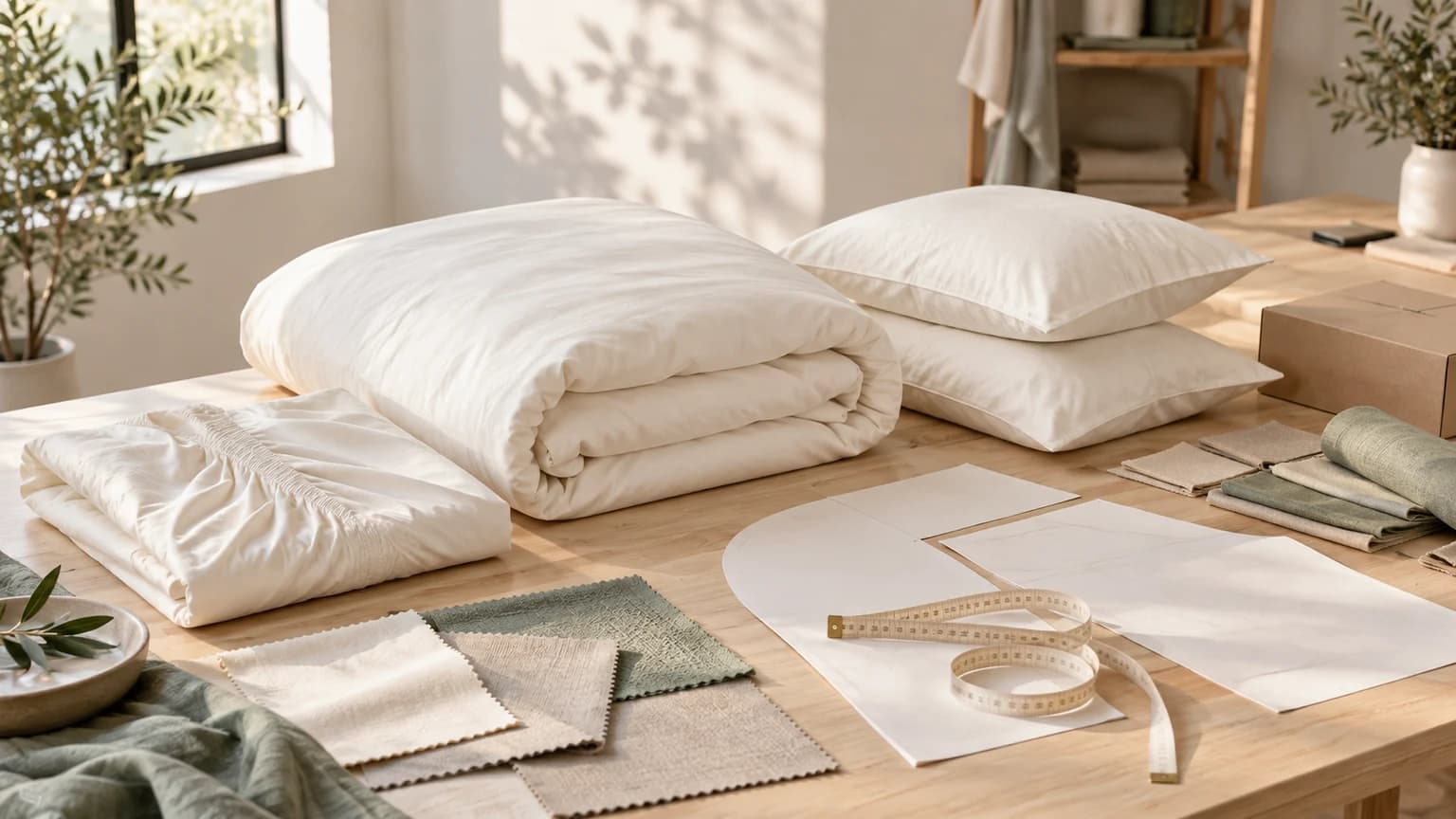
Plan a bedding range from sellable SKU rows, not from a collection mood board. Give each row a role, component set, construction direction, market size, colour × size quantity and packaging revision; then remove overlap before sampling. A launch can be narrow in designs and deep only where the buyer can support the variants. Quote the same active version across suppliers. Each colour-and-size combination starts at 100 sets and cannot be pooled.
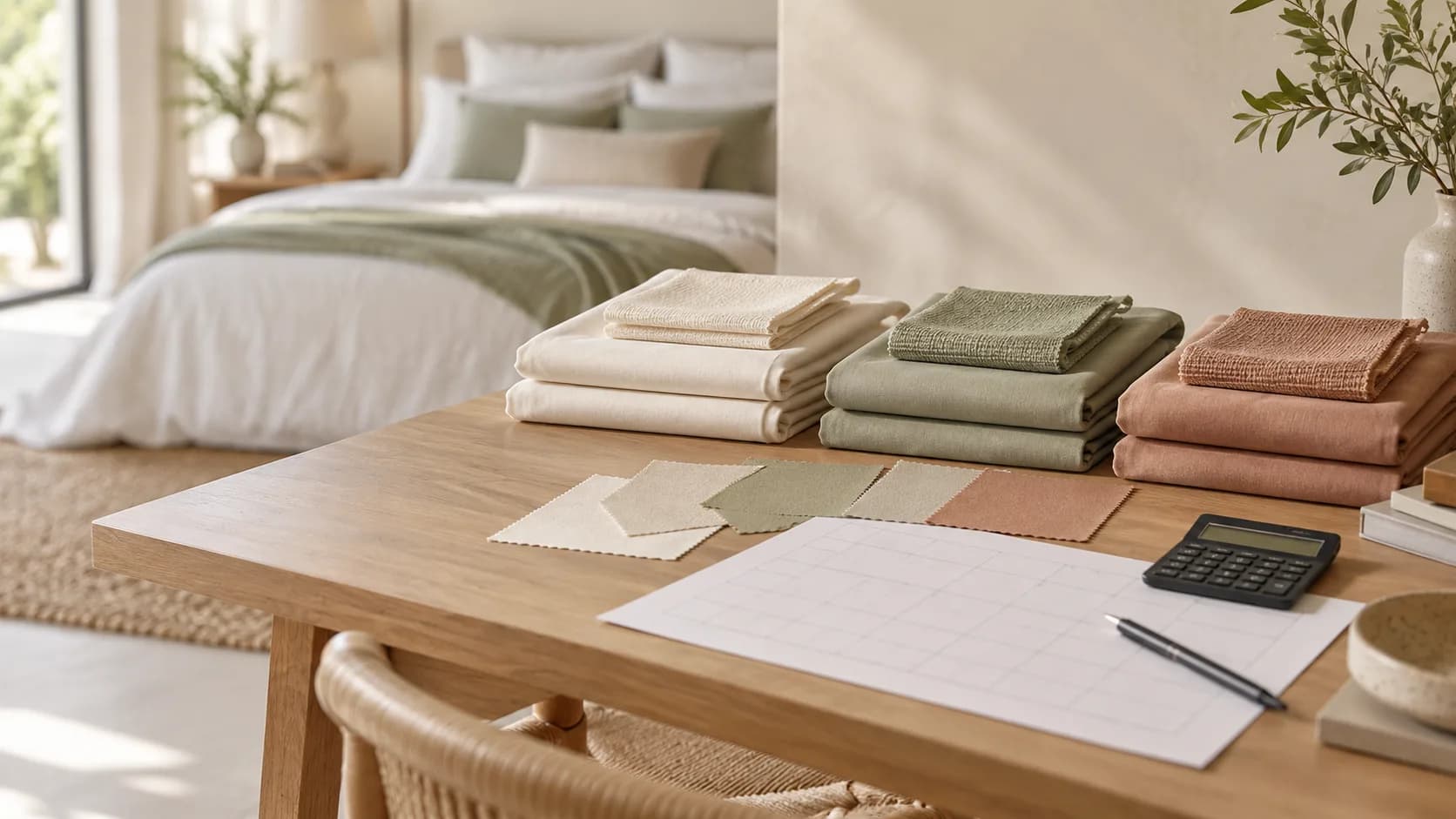
A bedding range becomes controllable when every sellable combination has one role, one product version and one quantity line—not when a mood board has more options.
A bedding collection is quote-ready only when the buyer can point to one sellable version and say exactly what it contains. Start with SKU rows, not a mood board: one customer role, one component set, one market size, one colourway, one packaging revision and one quantity line. That does not mean every range must be small. It means a wider range and a deeper size/colour offer are deliberate choices that remain visible before samples, purchase orders and reorders multiply the work.
Define a SKU as a sellable decision, not a fabric name
| Range layer | Decision it answers | What to record | Common mistake |
|---|---|---|---|
| Range role | Why this product exists | Core, seasonal, entry, upgrade or channel-specific role | Adding a variant with no distinct buyer job |
| Sellable SKU | What exactly is ordered | Components, market size, colour/design and active version | Calling every item in a fabric family the same product |
| Product specification | How the selected SKU should be made | Buyer-controlled construction, finished dimensions and open questions | Letting a mood image stand in for construction |
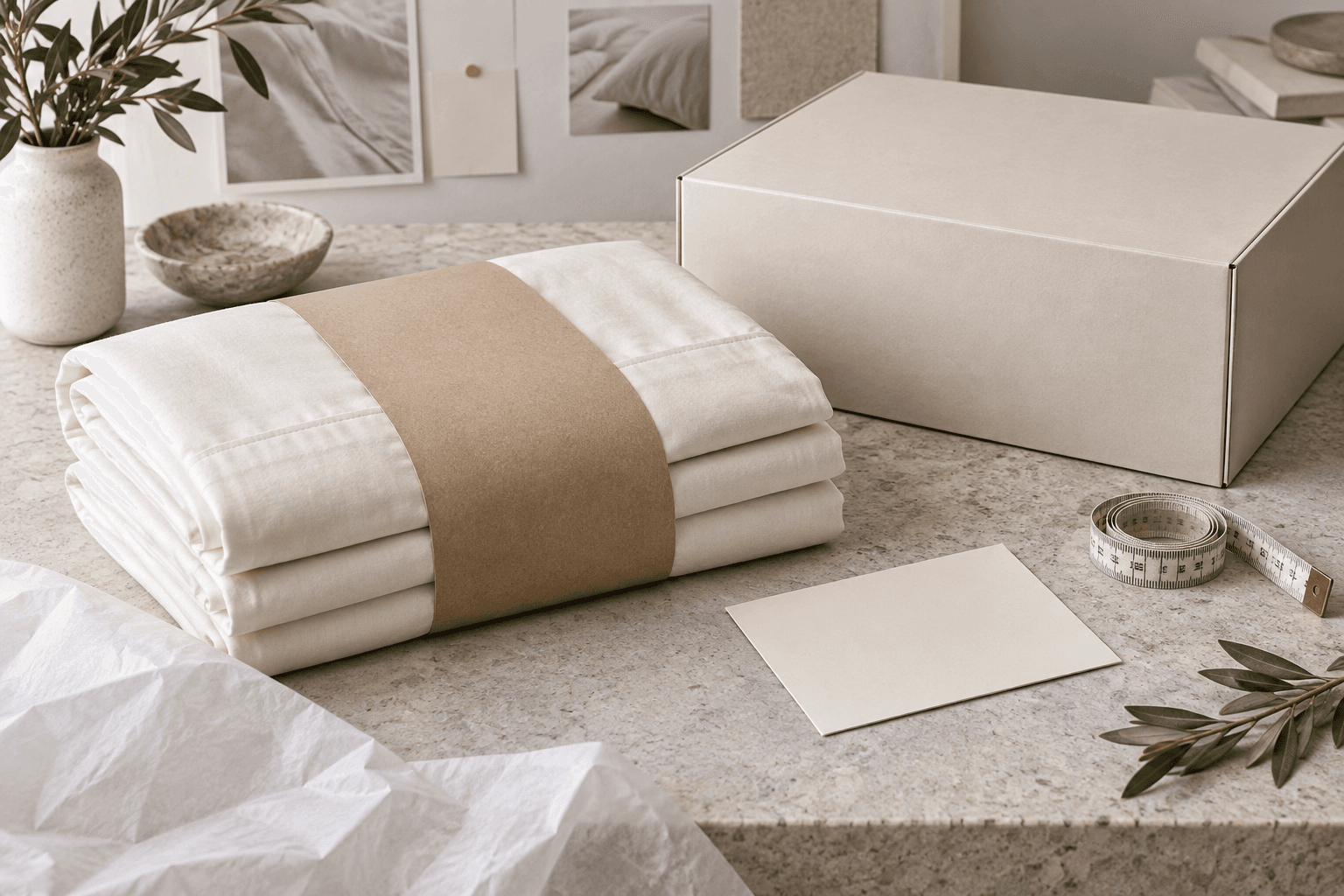
| Packaging version | How the active SKU is presented and handed over | Unit pack, label/insert status and pack revision | Using an old pack sample for a changed set |
| Quantity matrix | Which variants are actually being purchased | Units by colour × size | Using one total quantity that hides variant commitments |
A fabric family may support several sellable products, but it is not a SKU by itself. The product becomes distinct when its components, size, colour/design, relevant construction direction and pack version are set. Keep a separate internal SKU from a GTIN or barcode: the SKU controls your working range; GTIN assignment follows the applicable brand-owner and retail requirements. Linking the two is useful, but a barcode should never substitute for a complete product row.
Choose width and depth from the buying task
Width is the number of distinct product directions in the range. Depth is the number of size, colour and pack variants behind a direction. A launch brand may need enough width to make a coherent retail story; a distributor extending a proven construction may need depth in the sizes that already move. The useful question is not which option sounds bigger. It is whether each added row has a defined customer, channel or replacement task—and whether the quantity split can support it.
| If you are adding… | Treat it as | Put this question in the range sheet |
|---|---|---|
| A new construction or product story | Range width | Which customer or price position does this reach that the current range does not? |
| Another market size | SKU depth | Which exact mattress/insert reference and component set does it serve? |
| Another colourway | SKU depth | Does it have a named channel, season or buyer reason—or only visual overlap? |
| A different component count or closure | A new sellable SKU | Will it have its own product, sample and quote line? |
| A different sleeve, box or insert | A packaging revision or a new SKU depending on the offer | Does the buyer see a different sellable pack, and which version will be quoted? |
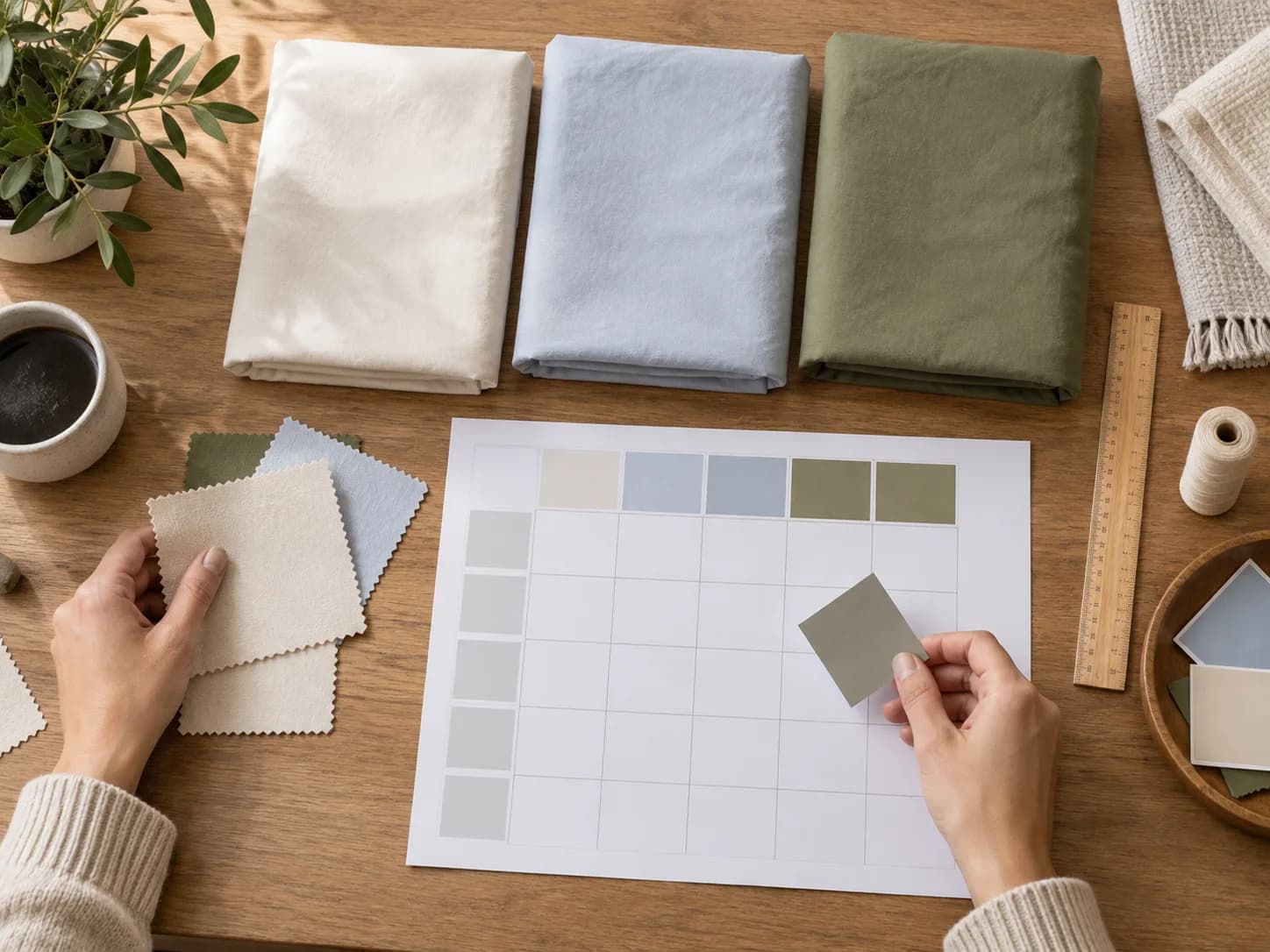
Build the launch matrix before asking for price
Give every prospective SKU a row before it becomes a sample request. Start with the market and sales channel, then record components, size, colour/design, construction direction, packaging status and quantity. Keep a clear “open” value where the buyer wants alternatives. This lets a supplier quote a stated base version and name a deviation, rather than filling a gap with a visually similar product.
Apply the MOQ to the actual variant matrix
The 100-set minimum is not a range-wide bucket. Each colour × size combination is its own quantity line, and quantities from different colours or sizes cannot be combined. This is why a compact range can still have a meaningful commitment: adding a colour to two active sizes creates two additional combination lines; adding a third size creates a new line for every active colour. Put the live matrix on the table before you decide whether to widen or deepen the assortment.
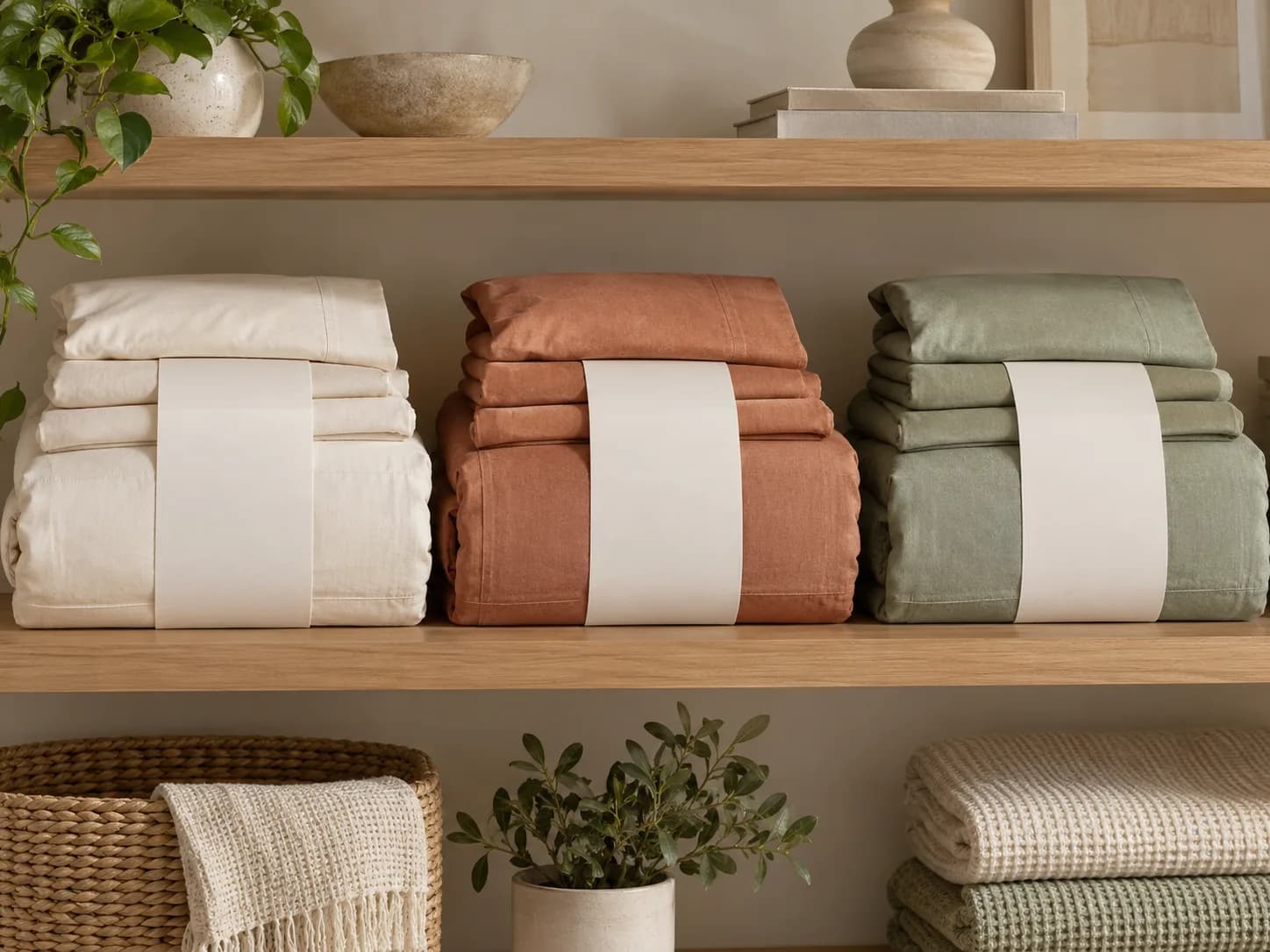
Use samples to reduce overlap, not create more versions
Before requesting another colour, size or construction sample, name the decision it will settle. It may be choosing between two product directions, checking the component set for one target market, or reviewing the active unit pack. Record that decision alongside the SKU revision. If a sample introduces a changed component, size, colour or pack, update the matrix first so the team is not comparing a new object to an old quote line.
Bedding SKU planning route
- 01
1 · Name the buyer and channel
Set the customer task and the market before choosing a product story.
- 02
2 · Give each range row a role
State whether it is core, seasonal, entry, upgrade or a channel-specific offer.
- 03
3 · Define the sellable set
List components, market size, colour/design and current product version.
- 04
4 · Attach pack status
Keep the unit pack, labels/inserts and artwork revision beside the active SKU.
- 05
5 · Build the colour × size matrix
Enter a separate quantity for every sellable combination and check the 100-set minimum.
- 06
6 · Sample one decision
Use a named sample question to reduce, confirm or reopen the active range.
- 07
7 · Quote the controlled version
Ask each supplier to price the same rows and identify deviations in writing.
Send a quote-ready bedding range brief
Send the private-label bedding team the destination, channel, range roles, active SKU matrix, component set, size references, colour × size quantities, open product fields, packaging version and the decision required from a sample. The next useful supplier reply identifies the same rows and exceptions, rather than giving one blended price for an undefined collection. Each colour-and-size combination starts at 100 sets and cannot be pooled with another colour or size.
Frequently asked questions
- What is a bedding SKU for range planning?
- A bedding SKU is one distinct sellable version that the team can identify and order. It should connect the finished components, market size, colour/design, relevant product version, packaging status and its own quantity line.
- What is the difference between range width and depth?
- Width adds distinct product directions or roles. Depth adds size, colour or other variants behind a direction. Decide both from a buyer and channel task, then make each affected combination visible in the launch matrix.
- Should a fabric family have one SKU?
- Not by itself. A fabric family can support multiple sellable products. Different components, market sizes, colours, closures or packaging versions may need different SKU rows and separate sample or quote control.
- How should I plan a first private-label bedding range?
- Start with a small number of roles and product directions, then create a row for every sellable colour × size combination. Record components, size references, pack status and open questions before asking for samples or comparable quotations.
- How does the MOQ affect a bedding SKU plan?
- The minimum is 100 sets for each colour-and-size combination. Colours and sizes cannot be pooled, so the range sheet needs a separate quantity for every active combination before a supplier can quote it clearly.
Sources & references
Featured products
Shop by category
Explore our services
Sourcing bedding for your market?
Factory-direct quotes, 100-set minimum per color and size combination, full OEM/ODM customization. We reply within one business day.